
Quick Summary
Opening statements began Monday in the murder trial of Duane “Keffe D” Davis, the only person ever charged in the 1996 killing of hip-hop icon Tupac Shakur, nearly three decades after the fatal drive-by shooting shocked the music world. Davis, 63, is charged with murder with a deadly weapon with intent to promote, further, or assist a criminal gang, and has pleaded not guilty. Prosecutors do not claim he pulled the trigger, but allege he orchestrated the shooting in retaliation for an assault on his nephew, and if convicted, he faces life in prison.
What Happened
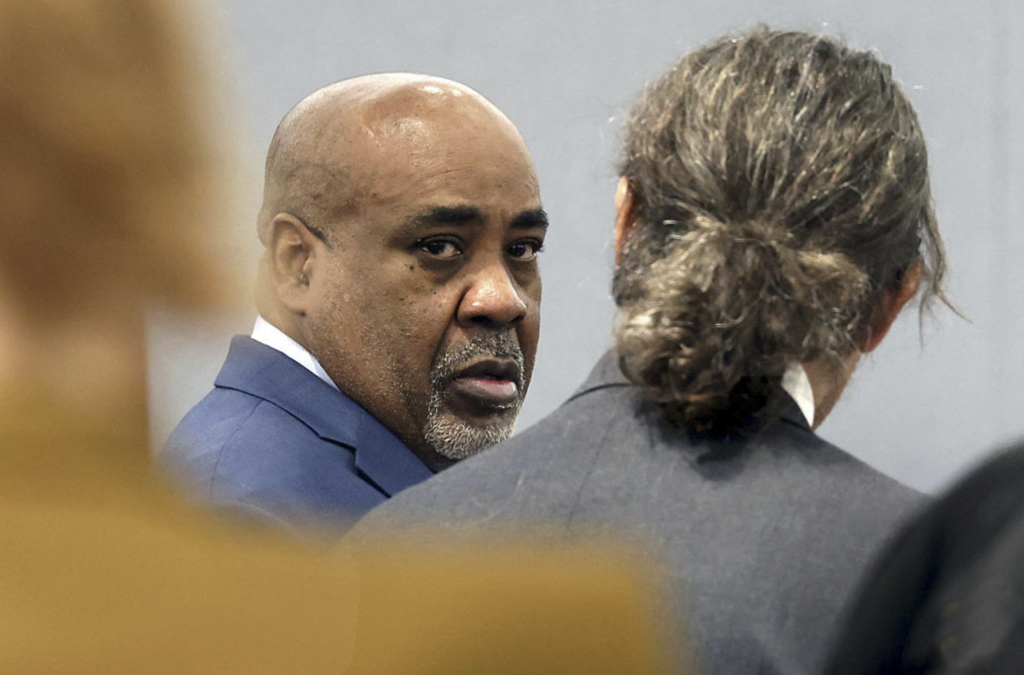
Wearing a blue suit, Davis entered a packed Clark County courtroom Monday alongside his attorney, Michael Sanft, following four days of jury selection. Clark County Chief Deputy District Attorney Binu Palal delivered the prosecution’s opening statement, telling jurors the killing of Tupac Shakur was an act of revenge and that Davis was planning retribution for the beating of his nephew, Orlando Anderson. Palal played video of a physical altercation between Anderson and Shakur that broke out following a Mike Tyson fight, and told the courtroom that once Davis heard about the beating, a response was required within his world.
Palal outlined Davis’ alleged gang ties as the leader of a Compton-based branch of the Crips and placed him at the scene not only of Shakur’s murder but also at a party attended by Shakur’s musical rival, Biggie Smalls, on the night of Smalls’ own killing six months later. Prosecutors allege Davis was riding in a white Cadillac with three other individuals during the drive-by shooting, which also targeted former Death Row Records mogul Marion “Suge” Knight, who survived the attack. Palal played several clips of Davis’ own past media interviews during opening statements, telling jurors they would learn from Davis himself that he made sure the shooters were armed and ready to carry out the killing.
The defense laid out an alternate narrative, walking through the original police investigation and noting that many of the initial case reports have since gone missing. The defense also highlighted that lead detective Mike Becker did not trust the Compton Police Department at the time, a department that would later shut down in 2000 due to corruption. The defense argued that none of the established facts from that original investigation actually point to Davis. Following opening statements, the prosecution called its first two witnesses, including a former Las Vegas Metropolitan Police Department homicide detective who worked the case in 1996, before the trial recessed for a lunch break.
Background
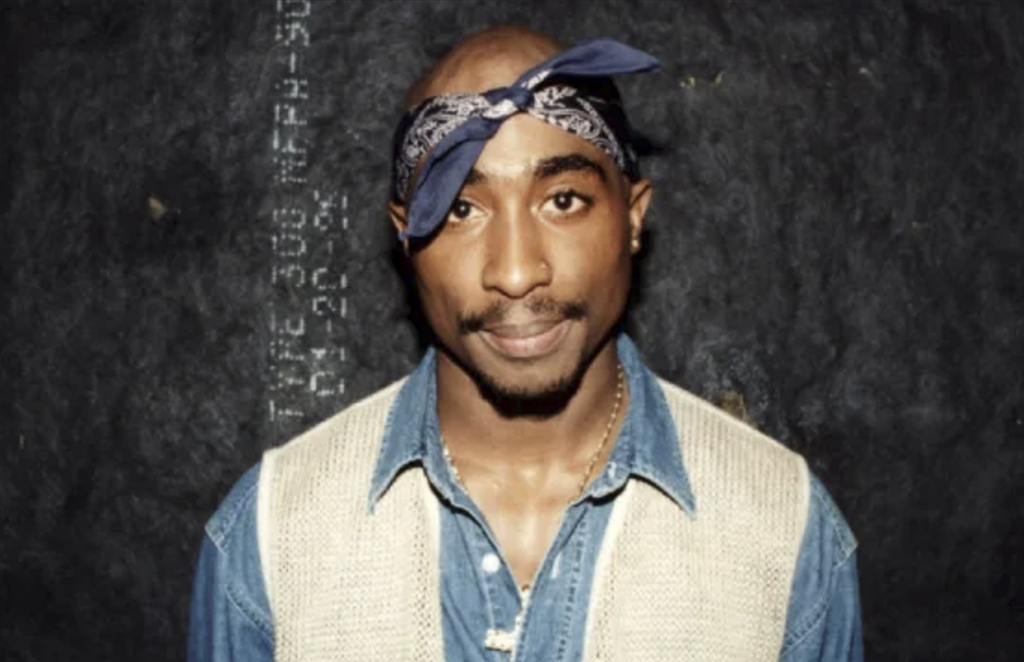
Shakur, 25, died on September 7, 1996, six days after being shot while riding in a car near the Las Vegas Strip following the Tyson fight at the MGM Grand. The case went unsolved for 27 years until Davis was arrested during an early-morning walk near his home in suburban Henderson, Nevada, and indicted by a Nevada grand jury in September 2023.
Davis’ own public statements played a significant role in reviving the investigation. In a 2018 interview for BET’s “Death Row Chronicles,” he described his actions on the night of the killing and said the fatal shots had come from someone sitting in the back of the vehicle he was riding in. He has also discussed his alleged involvement in a memoir and other media interviews over the years, material prosecutors say they intend to use extensively against him. His defense attorneys have long argued that Davis exaggerated or lied about his involvement in the killing for financial gain and publicity.
The trial’s original start date was pushed from 2025 to 2026 after Davis’ legal team filed a motion citing new witness interviews and further investigation, including a claim from a private investigator suggesting Davis may not have actually been in Las Vegas at the time of the shooting, and a separate claim that new evidence pointed to someone else having orchestrated the killing. Twelve jurors and four alternates have now been seated, with testimony expected to continue for several weeks. Potential high-profile witnesses include Suge Knight, who remains incarcerated in a California prison on an unrelated case, and Greg Kading, a former Los Angeles police detective who has written about the case.
Why It Matters
The trial represents the first and only criminal accountability sought in one of hip-hop’s most enduring unsolved mysteries, a killing that has fueled decades of documentaries, books, and public speculation. Shakur’s death, along with Biggie Smalls’ killing six months later, became a defining symbol of the East Coast-West Coast rap rivalry of the 1990s, and a conviction or acquittal in this case is likely to shape the historical record of that era for years to come.
The proceedings also shine renewed scrutiny on the original 1996 investigation itself, with the defense’s opening arguments already highlighting missing case files and friction between Las Vegas and Compton police departments at the time. That angle suggests the trial may become as much a referendum on the adequacy of the original police work as it is a determination of Davis’ specific guilt or innocence.
Statistics & Context
- Davis’ age at trial: 63
- Years between Shakur’s killing and Davis’ arrest: 27 (killed in 1996, arrested in 2023)
- Shakur’s age at the time of his death: 25
- Jurors seated for the trial: 12, plus 4 alternates
- Days of jury selection before opening statements: 4
- Maximum sentence Davis faces if convicted: life in prison
- Months between Shakur’s killing and Biggie Smalls’ murder: 6
What’s Next
The trial is expected to last several weeks, with the prosecution continuing to call witnesses in the coming days, potentially including high-profile figures like Suge Knight and former investigators connected to the case. The defense is expected to challenge the credibility of the original 1996 investigation and press its argument that Davis’ public statements about the killing were exaggerated for profit rather than a genuine confession. A verdict is not expected for at least several weeks given the scope of witness testimony anticipated.
FAQ
Who is on trial for Tupac Shakur’s murder?
Duane “Keffe D” Davis, 63, the only person ever charged in connection with the 1996 killing.
Is Davis accused of firing the fatal shots?
No. Prosecutors allege he orchestrated the shooting and ensured the shooters were armed, but do not claim he personally pulled the trigger.
Why did it take so long to charge anyone?
The case went unsolved for 27 years until Davis’ own public statements, including a 2018 interview and later a memoir, helped revive the investigation, leading to his 2023 arrest and indictment.
What is Davis charged with?
Murder with a deadly weapon with intent to promote, further, or assist a criminal gang. He has pleaded not guilty.
How long is the trial expected to last?
Several weeks, according to court officials, given the number of witnesses expected to testify.
Editorial Note: This article was prepared using publicly available information from news organizations available at the time of publication. Facts may be updated as the trial proceeds and additional testimony is presented.
Sources:
Fox 5 Vegas: Opening statements begin in Tupac Shakur murder case in Las Vegas