
Quick Summary
The Colombia earthquake death toll has climbed to at least 265, with nearly 500 people officially reported missing and more than 3,500 injured, as rescue operations entered what officials called the “final phase” on Wednesday. According to France 24, the magnitude 7.4 quake struck western Colombia on Monday, August 10, just three days after Trump-backed Abelardo de la Espriella was sworn in as Colombia’s president, throwing his brand-new administration directly into managing the country’s worst natural disaster in decades. Crews in the city of Pereira spent Wednesday focused on a collapsed bakery where they believed a street vendor trapped since Monday might still be alive, racing against the closing of the critical 72-hour survival window.
What Happened
According to CNN’s live coverage, the quake’s epicenter was located near San José del Palmar, a remote community of roughly 4,800 people in the northwestern department of Chocó, about 240 kilometers west of Bogotá. The U.S. Geological Survey confirmed the location, and Colombia’s Geological Service recorded more than 70 aftershocks across the country in the day following the initial quake.
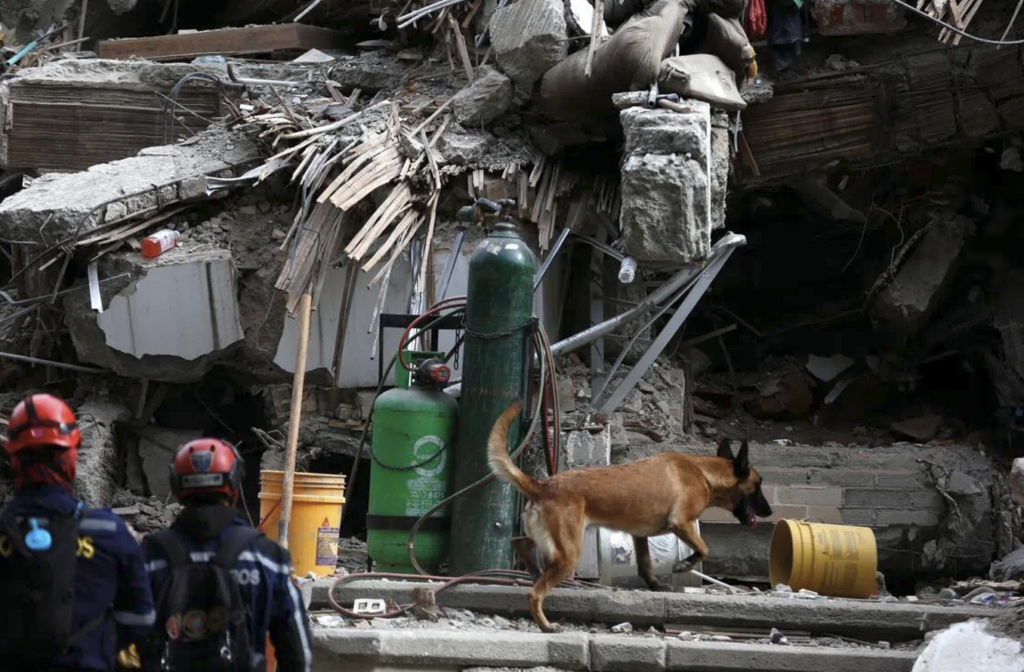
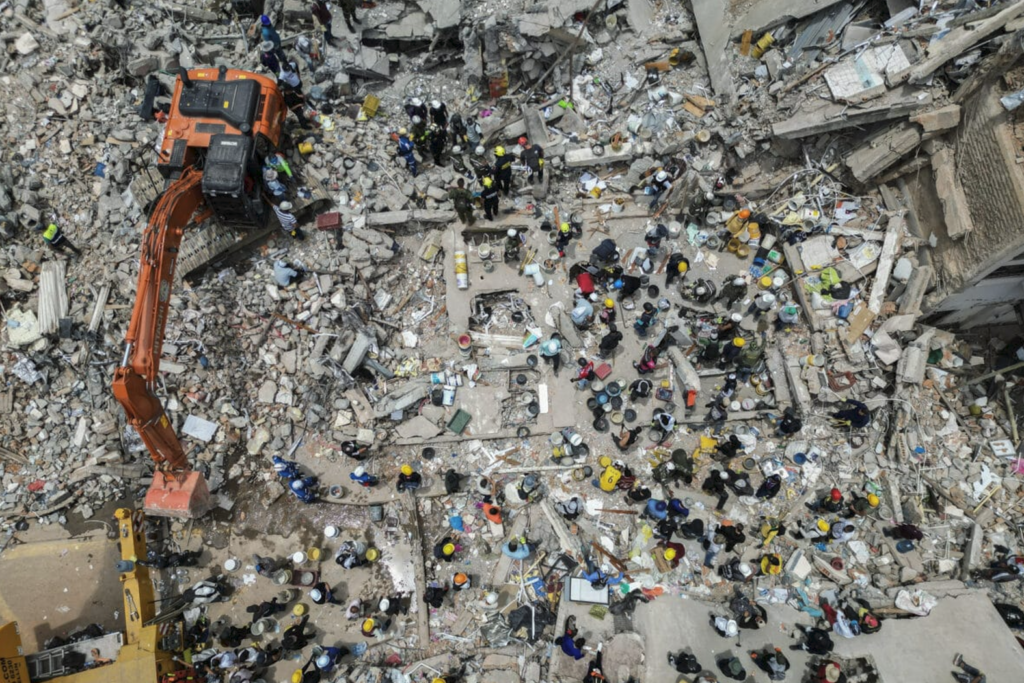
The hardest-hit cities were Cali, Colombia’s third-largest city with a population of more than 2.2 million, and Pereira, in the Chocó region, according to ABC News. Cali’s mayor, Alejandro Eder, reported at least 95 deaths in the city alone, and local reporting cited by CNN indicated at least 20 large buildings had collapsed there. Rescuers pulled a 32-year-old woman from the rubble in Pereira after she had been trapped for more than 36 hours, and de la Espriella celebrated the rescue in a social media post, saying Colombians trusted in God and in the tireless work of their rescue teams so more people could be found alive and returned to their families.
According to Al Jazeera, the remote Chocó region has posed particular challenges for rescue crews, since much of the area is reachable only by boat or plane, complicating both the search effort and even a full assessment of the disaster’s true scope. President de la Espriella said his government had mobilized the entire military and police apparatus in response.
Background
The earthquake struck less than a week into de la Espriella’s presidency, immediately testing an administration that had been sworn in just three days earlier in a ceremony that itself broke with more than a century of Colombian tradition. According to NPR, the disaster has tested both his new government and Colombian civil society as they scramble to respond and get aid to the most affected communities. De la Espriella activated emergency response teams directly from the UNGRD, Colombia’s national disaster management agency, according to Wikipedia’s tracking of the disaster.
International support arrived quickly. According to ABC News, the U.S. State Department deployed roughly 40 members of American urban search and rescue teams to Colombia to assist local first responders, and NPR reported that tons of aid from regional partners began arriving Wednesday as the search grew increasingly desperate. Rodrigo León Loya, a seismologist and geosciences professor at the University of the Andes, told NPR that while the probability of another earthquake of similar magnitude striking the same area soon is low, he would not rule out further seismic activity, noting that Colombia sits atop numerous active fault lines and that the real question isn’t whether another quake can happen, but when.
The Colombian Geological Survey described this as the strongest earthquake to hit the country in a decade, and multiple outlets, including France 24, characterized it as the strongest to strike Colombia this century.
Why It Matters
The scale of the disaster, hundreds dead, thousands injured, and a missing-persons count that civilian-run databases put dramatically higher than official government figures, according to NPR, which noted the government’s count of nearly 500 missing versus more than 4,100 in independently tracked databases, illustrates both the severity of the quake and the strain it has placed on Colombia’s disaster-response infrastructure barely days into a change of government. The gap between official and civilian missing-persons tallies is itself a significant data point, suggesting authorities may still be working to establish a complete picture of the disaster’s true human toll.
For de la Espriella specifically, the earthquake response has become an immediate, high-stakes test of his young administration’s competence and crisis-management capacity, arriving before he had any opportunity to settle into office. How his government performs in the recovery phase, particularly in the difficult-to-reach Chocó region, is likely to shape early public perception of his presidency well beyond the immediate disaster itself.
Statistics & Context
- Confirmed deaths as of Wednesday: at least 265
- People injured: more than 3,500
- People officially reported missing: nearly 500, per government figures; more than 4,100 per civilian-run databases
- Earthquake magnitude: 7.4, the strongest to hit Colombia in a decade, per the Colombian Geological Survey
- Deaths reported in Cali alone: at least 95, according to the city’s mayor
- Large buildings reported collapsed in Cali: at least 20
- Population of the earthquake’s epicenter community, San José del Palmar: approximately 4,800
- Aftershocks recorded since the initial quake: more than 70
- U.S. search and rescue personnel deployed to assist: approximately 40
- Days since de la Espriella’s inauguration when the quake struck: 3
What’s Next
With rescue operations entering their officially designated “final phase” as the 72-hour survival window closes, authorities are expected to shift increasing focus toward recovery, aid distribution, and reconstruction in the hardest-hit areas, particularly the difficult-to-access Chocó region. President de la Espriella’s government faces the ongoing challenge of reconciling official missing-persons figures with the substantially higher counts from civilian databases, a discrepancy likely to require continued verification work in the weeks ahead. International aid and personnel are expected to continue arriving as Colombia works through what officials have already described as one of the most significant natural disasters in the country’s recent history.
FAQ
How many people have died in the Colombia earthquake?
At least 265, according to President Abelardo de la Espriella, with the toll having risen steadily since the quake struck Monday.
Where did the earthquake strike?
Near San José del Palmar in Colombia’s northwestern Chocó department, about 240 kilometers west of Bogotá, with the hardest-hit cities being Cali and Pereira.
How strong was the earthquake?
Magnitude 7.4, described as the strongest to hit Colombia in a decade and, by some accounts, the strongest this century.
How many people are missing?
The government reports nearly 500 missing, though civilian-run databases put the figure at more than 4,100.
Is this affecting Colombia’s new government?
Yes significantly. The quake struck just three days after Abelardo de la Espriella was sworn in as president, making disaster response his administration’s first major test.
Editorial Note: This article was prepared using publicly available information from international news organizations available at the time of publication. Casualty and missing-persons figures may continue to change as search and verification efforts proceed. This is a highly sensitive, actively developing disaster with a significant loss of life.
Sources:
France 24: Colombia earthquake rescue efforts enter ‘final phase’ as death toll rises
CNN: Rescuers unable to reach Colombia earthquake epicenter as more than 200 dead
Al Jazeera: Colombia quake: Frantic search for survivors as over 2,700 reported missing