
Quick Summary
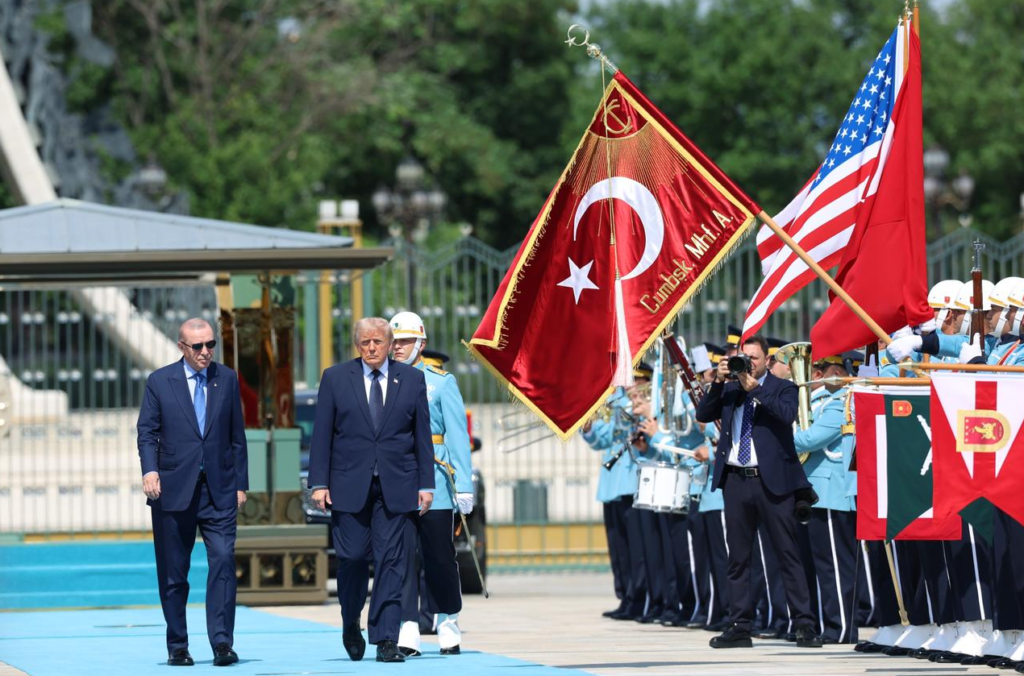
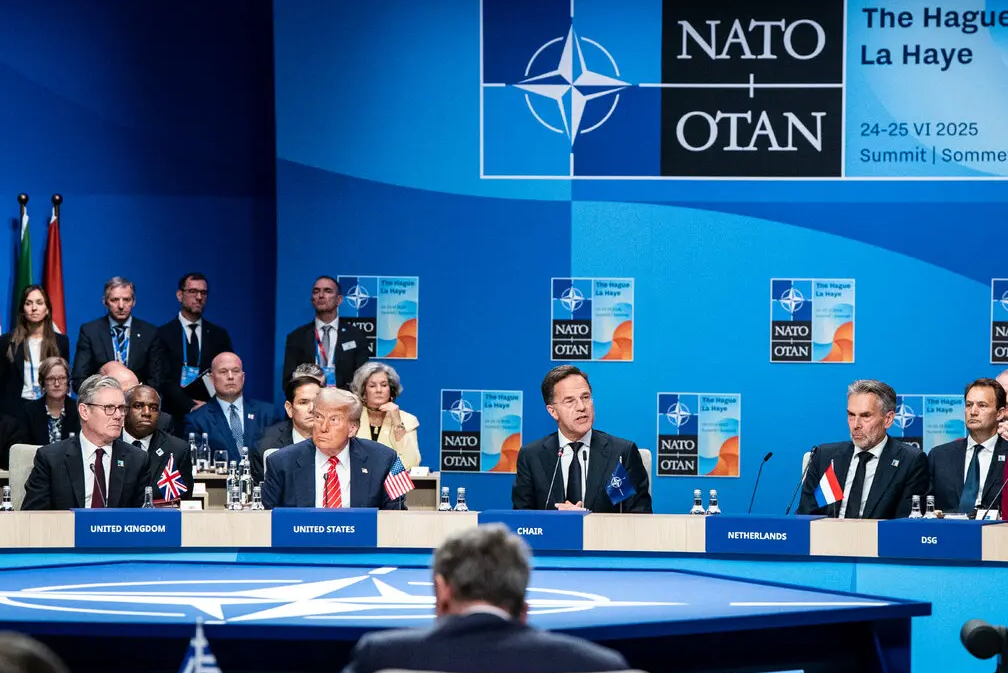
President Trump arrived at the NATO summit in Ankara, Turkey, carrying fresh frustration toward several European allies over their responses to last month’s U.S.-led military operation against Iran, known as Operation Epic Fury. The two-day summit, held Tuesday and Wednesday, was expected to focus on defense spending, Ukraine, and NATO’s long-term strategy toward Russia, but U.S. officials say the fallout from Iran is shaping private conversations behind the scenes. Trump is pressing allies to meet NATO’s new benchmark of spending 5% of GDP on defense, while U.S. Ambassador to NATO Matthew Whitaker confirmed the administration is weighing countermeasures against members who fall short.
What Happened
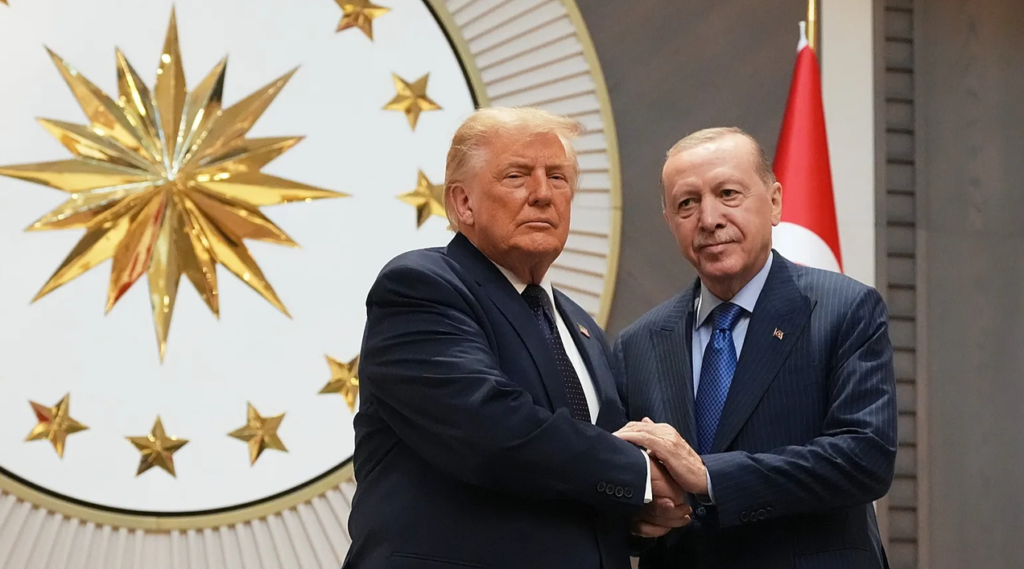
Whitaker said Trump remains disappointed both by allies unwilling to let U.S. forces use their bases and by public statements criticizing the strikes on Iran. Trump himself has been openly critical, telling reporters ahead of the summit that he would likely have skipped it entirely if not for his personal relationship with Turkish President Recep Tayyip Erdoğan, and singling out Spain by name over its refusal to support the Iran operation.
Spain’s Prime Minister Pedro Sánchez had publicly called the U.S. war in Iran illegal and cruel. Whitaker noted the episode also exposed sharp disparities in military capability across the alliance, with some members possessing advanced capabilities while others lack the capacity to meaningfully contribute to a large-scale operation.
Background
During Operation Epic Fury, the United Kingdom initially declined to let U.S. forces launch strikes from British bases, later reversing course after Iranian retaliation escalated. Spain refused to allow any use of its territory or airspace for combat operations, Italy limited U.S. flights from its soil to logistical support only, and Germany served as a logistics hub without publicly endorsing the campaign. Several allies later agreed to support maritime security operations to help restore shipping through the Strait of Hormuz, but administration officials say the early reluctance continues to color Trump’s view of the alliance heading into the summit.
Trump’s frustration with NATO burden-sharing predates the Iran episode. He has questioned for years whether the U.S. should keep defending allies who don’t meet spending commitments, at times floating the idea of withdrawing from the alliance altogether.
Why It Matters
The summit puts two very different agendas on the table at once: NATO’s traditional focus on deterring Russia and supporting Ukraine, and Trump’s more personal scorecard of which allies stood by the U.S. during the Iran conflict. Analysts say that dynamic, while not formally on the agenda, is likely to shape the atmosphere of the talks more than any single agreed communiqué.
Whitaker confirmed the administration is considering advantages for higher-spending allies, ranging from priority access to defense procurement to closer engagement with U.S. leadership, effectively linking Iran-era loyalty to future benefits within the alliance.
Expert & Official Reaction
U.S. position: Matthew Whitaker said the administration believes members doing more for the alliance should see tangible benefits from doing more, describing the current burden-sharing debate as extending beyond percentages of GDP.
Defense policy analysis: Former Deputy Assistant Secretary of Defense Ian Brzezinski said the summit effectively has two scorecards in play, traditional NATO deterrence priorities against Russia, and Trump’s private assessment of which allies proved supportive during Iran.
Atlantic Council perspective: Torey Taussig of the Atlantic Council’s Transatlantic Security Initiative said expectations for the summit are low precisely because of issues that aren’t formally on the agenda but are shaping the mood around it.
Statistics & Context
- New NATO defense spending benchmark Trump is pushing: 5% of GDP
- Summit duration: 2 days (Tuesday–Wednesday, Ankara, Turkey)
- Key allies that limited support for Operation Epic Fury: 4 (UK, Spain, Italy, Germany), each with a different level of restriction
- Trump’s stated reason for attending: primarily his relationship with 1 individual, Turkish President Erdoğan
What’s Next
Trump is expected to keep pressing allies publicly on the 5% spending target, while the administration finalizes what kind of countermeasures or incentives it will apply to members based on their spending and their conduct during the Iran operation. Analysts expect the practical fallout from Operation Epic Fury, rather than the summit’s official Russia/Ukraine agenda, to be the more consequential undercurrent of Trump’s private meetings with European leaders in Ankara.
FAQ
Why is Trump frustrated with NATO allies over Iran?
Several allies, including the UK, Spain, Italy, and Germany, either declined or limited support for the U.S.-led Operation Epic Fury against Iran, with Spain’s prime minister publicly calling the campaign illegal.
What is NATO’s new defense spending target?
Trump is pushing allies to meet a new benchmark of spending 5% of GDP on defense, up from previous targets.
Where and when is the summit taking place?
The summit is being held Tuesday and Wednesday in Ankara, Turkey.
Is the Iran dispute officially on the summit agenda?
No, the formal agenda covers defense spending, Ukraine, and NATO’s strategy toward Russia, but officials and analysts say the Iran fallout is shaping private conversations at the summit.
Could allies face consequences for their Iran-related decisions?
U.S. Ambassador Matthew Whitaker confirmed the administration is considering countermeasures for allies that don’t meet defense spending goals, and advantages for those that contribute more.
Editorial Note: This article was prepared using publicly available information from international news organizations and official sources available at the time of publication. Facts may be updated as authorities release new information.
Sources:
Fox News – Trump arrives at NATO summit as Iran rift looms above alliance talks