
Quick Summary
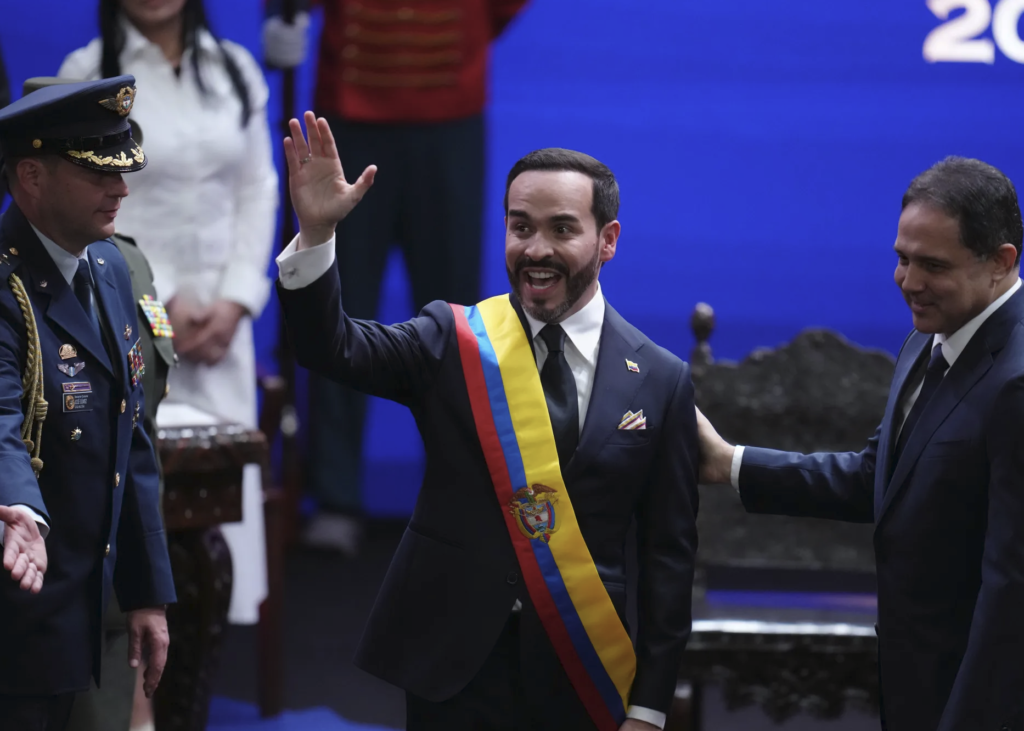
Abelardo de la Espriella, the right-wing lawyer and businessman endorsed by President Trump, was sworn in Friday as Colombia’s new president in a ceremony that broke more than a century of tradition by taking place in Cali rather than the capital, Bogotá. According to Al Jazeera, the 48-year-old took office on promises to crack down on armed groups, cut government spending by as much as 40%, and revive Colombia’s oil and gas industry, marking a sharp rightward reversal from outgoing leftist President Gustavo Petro’s policies. Spain’s King Felipe VI, Argentine President Javier Milei, Ecuadorian President Daniel Noboa, and Chilean President José Antonio Kast were among the foreign dignitaries who attended the ceremony, according to Xinhua.
What Happened
De la Espriella took his oath of office at Arena USC, part of Santiago de Cali University, before traveling to a nearby military base to deliver his inaugural address, according to Latin America Reports. He declared that the time for the recovery of order, authority, and freedom had begun, and pledged that all rules of democracy would be respected under his government, promising there would be no room for tricks against the legitimate exercise of the mandate beginning that day.
The ceremony took place under tight security measures aimed at preventing protests and potential attacks by rebel groups, according to NPR. According to The Washington Post, armed soldiers stood watch from armored vehicles in Cali in the days leading up to the inauguration. Former Colombian President Álvaro Uribe and FIFA President Gianni Infantino were also among those photographed arriving for the ceremony, according to The Reflector.
Background
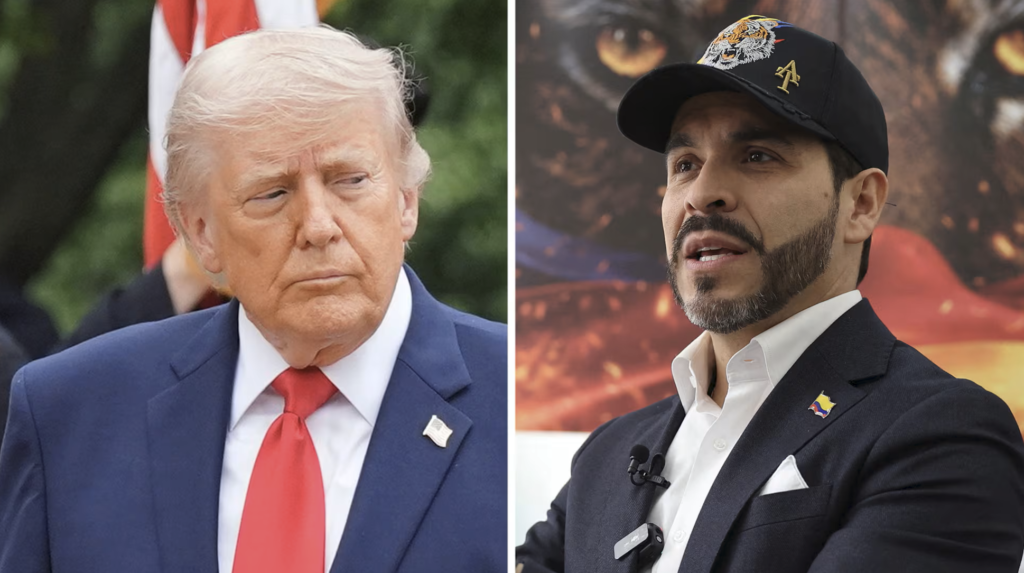
De la Espriella defeated progressive Senator Iván Cepeda in a razor-thin runoff election on June 21, winning 49.7% of the vote to Cepeda’s 48.7%, a margin of roughly 251,000 votes out of more than 25 million cast, according to Al Jazeera’s earlier coverage of the election. The race saw the highest voter turnout in the history of Colombian presidential elections, and Trump publicly celebrated the outcome on Truth Social at the time, writing that de la Espriella had won big and referring to him by his nickname, “El Tigre,” or “The Tiger.”
De la Espriella, a former criminal defense lawyer turned political outsider whose business ventures include a clothing line, wine and rum brands, and a restaurant, had never previously held elected office before his presidential run, according to The Associated Press. His victory came against a backdrop of resurgent violence in Colombia, where the International Committee of the Red Cross said 2025 was the worst year for civilians in a decade, with more than 900 people killed or wounded by explosive devices, according to CNN’s earlier reporting on the campaign. The assassination of center-right presidential candidate Miguel Uribe Turbay in August 2025 while campaigning in Bogotá became a defining symbol of the security failures de la Espriella campaigned against.
His choice of Cali as the inauguration site carried its own symbolism. According to HNGN, Cali served as a political stronghold for Petro during his presidency, and de la Espriella had originally sought to hold the ceremony at a military base in nearby Cauca, a region heavily affected by Colombia’s internal armed conflict, before settling on the university venue in Cali itself.
Why It Matters
De la Espriella’s inauguration adds Colombia to a growing list of Latin American countries that have turned toward right-wing populist leaders in recent years, following a pattern set by figures like El Salvador’s Nayib Bukele and Argentina’s Javier Milei, both of whose governance approaches de la Espriella has openly cited as models. His promised mega-prison strategy, borrowed directly from Bukele’s playbook, has been credited with lowering homicide rates in El Salvador but has also drawn sustained accusations of human rights abuses, a tension likely to follow de la Espriella’s own security policy going forward.
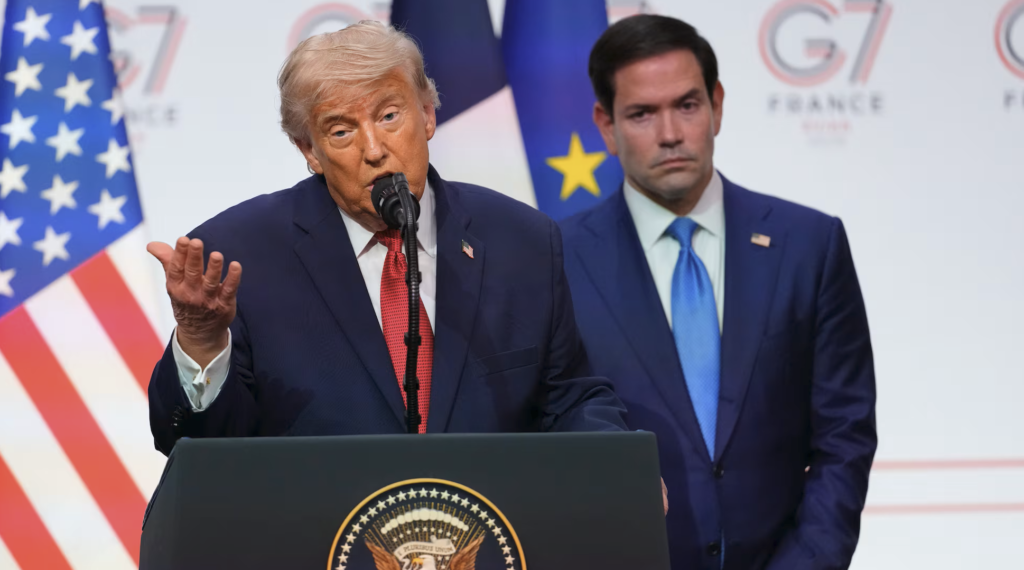
The shift also carries significant foreign policy implications. Petro’s outgoing government had severed diplomatic ties with Israel over what he characterized as its war on Gaza, banned coal exports to Israel, and joined South Africa’s genocide case against Israel at the International Court of Justice, according to Al Jazeera’s earlier coverage. De la Espriella is expected to reverse those positions, and U.S. Secretary of State Marco Rubio has already signaled the incoming administration’s interest in strengthening security cooperation, curbing illegal immigration to the U.S., and deepening economic ties between the two countries.
Expert & Official Reaction
President’s inaugural address: De la Espriella told the crowd that the recovery of order, authority, and freedom had begun, and vowed that all democratic rules would be respected under his administration.
U.S. response at the time of his election: Secretary of State Marco Rubio said the Trump administration looked forward to working closely with the incoming government to advance regional security cooperation, end illegal immigration to the United States, and strengthen economic ties.
Trump’s endorsement: Following de la Espriella’s June victory, Trump wrote on Truth Social that he looked forward to working together to build a powerful relationship between Colombia and the United States, predicting new levels of greatness for both countries.
Statistics & Context
- De la Espriella’s age at inauguration: 48
- Margin of victory in the June runoff: 49.7% to 48.7%, roughly 251,000 votes
- Promised government spending cuts: up to 40%
- Colombians killed or wounded by explosive devices in 2025, per the Red Cross: more than 900
- Length of de la Espriella’s presidential term: 4 years
- Years since a Colombian inauguration was last held outside Bogotá: since 1898 (excluding a health-related exception under President Rafael Núñez)
What’s Next
Attention is expected to center on how quickly de la Espriella moves to reverse Petro-era security and foreign policies now that he has formally taken office, and on how a divided Colombian Congress responds to his initial legislative proposals. His administration’s ability to meet its stated fiscal deficit target, the pace of any renewed military operations against armed groups, and the diplomatic fallout from a potential embassy move to Jerusalem are all likely to remain closely watched threads as his four-year term begins.
FAQ
Who is Colombia’s new president?
Abelardo de la Espriella, a 48-year-old right-wing lawyer and businessman endorsed by President Trump, who won a narrow runoff election in June 2026.
Why was the inauguration held in Cali instead of Bogotá?
It broke with more than a century of tradition, marking the first inauguration outside the capital since 1898, a symbolic choice given Cali’s history as a Petro stronghold and a region hit hard by violence.
What are de la Espriella’s key policy promises?
He has pledged to crack down on armed groups with greater military force, cut government spending by as much as 40%, and revive Colombia’s oil and gas industry.
How did he win the election?
He narrowly defeated progressive Senator Iván Cepeda in a June 21 runoff, winning 49.7% of the vote to Cepeda’s 48.7%.
Is this part of a broader regional political trend?
Yes. Analysts note his victory continues a rightward shift across Latin America, following similar populist leaders like El Salvador’s Nayib Bukele and Argentina’s Javier Milei.
Editorial Note: This article was prepared using publicly available information from international news organizations available at the time of publication.
Sources:
Al Jazeera: De la Espriella sworn in as Colombia’s leader, vows armed group crackdown
NPR: Colombia’s new president vows to remake the country — and challenge rebel groups