
Quick Summary
More than 50 parents and spouses of active-duty U.S. service members have been detained by immigration authorities since President Trump took office for a second term, with at least 6 deported and 1 self-deported, according to an Associated Press investigation published Tuesday. According to PBS News, the AP found this to be the first accounting of such detentions, since the government does not track the figure itself. At least 8 immediate family members of U.S. service members remain in federal immigration custody, marking a significant departure from a bipartisan consensus that has generally shielded military spouses and parents from deportation for decades.
What Happened
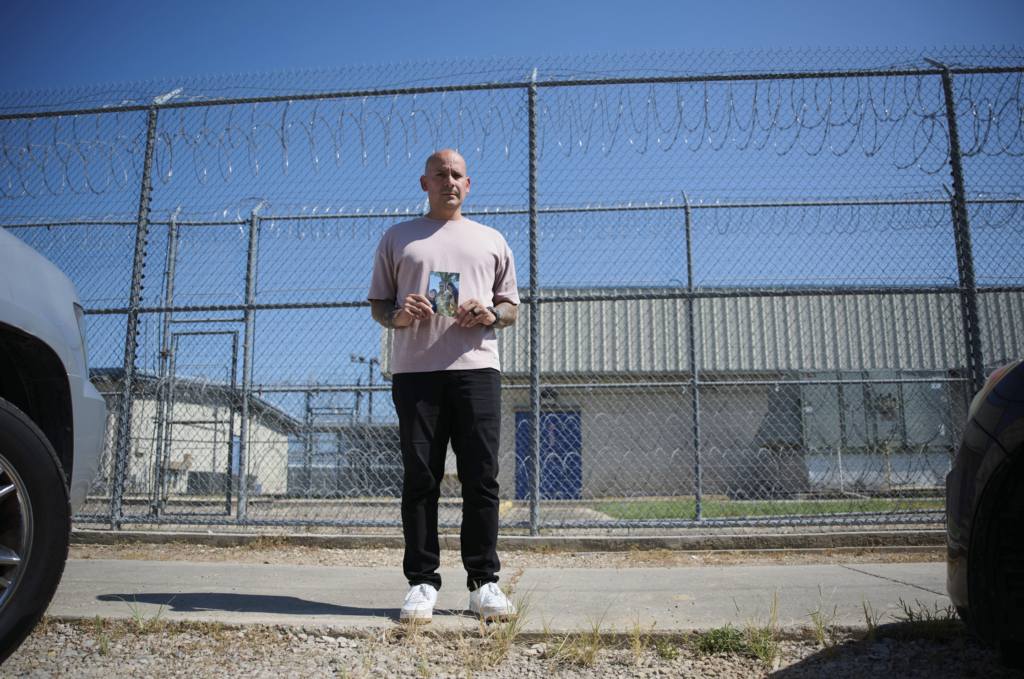
The AP investigation, reported by Jack Brook, Safiyah Riddle, and Aaron Kessler, documented individual cases illustrating the human impact of the policy shift. According to The Washington Post, Army Staff Sgt. Alexis Jaramillo has been visiting his wife, Maisa Lopes Eliaser, a Brazilian national, at the South Louisiana ICE Processing Center in Basile, Louisiana, where she has been held since early August.
Another case documented by El Paso Matters involved Army Sgt. Hedar Leonel Turcios Juarez, stationed at Fort Bliss, Texas, whose wife Cristy was detained by immigration authorities outside a Walmart in front of their 6-year-old daughter in July. Turcios Juarez told the AP he struggles to focus on his military service while worrying about his wife’s wellbeing. A handful of these detentions, including cases involving spouses of decorated combat veterans, have already prompted public backlash from lawmakers in both parties.
Background
Parents and spouses of military service members have historically benefited from a form of prosecutorial discretion under both Democratic and Republican administrations, reflecting a long-standing bipartisan view that military family stability supports troop readiness and morale. The AP found that under the current administration, these individuals are now routinely being detained for months while attempting to adjust their legal status through pathways technically still available to military families on paper.
According to PBS News, the Department of Homeland Security stated it does not maintain data specifically on detentions of active-duty troops’ family members, but it has released related figures for military veterans and their relatives. In a letter to several Democratic senators, DHS said that from January 20, 2025, through January 26, 2026, immigration authorities detained 125 military veterans, placed 34 of them into removal proceedings, and arrested more than 150 of their immediate family members.
One case that has drawn bipartisan political attention involves the wife of retired Staff Sergeant Wilmer Trujillo, who served in Iraq and Afghanistan. Florida Republican Representative Maria Elvira Salazar advocated publicly in July for her release, saying at a news conference that the immigration system is failing honorable and good Americans, according to PBS News. DHS has stated the woman illegally reentered the U.S. after being deported in 2005, though her attorney is seeking to rescind that removal order, arguing she was never properly notified of the hearing that produced it.
The policy shift builds on developments reported earlier this year: Military Times reported in September 2025 that 61 Democrats in the Senate and House sent a letter to Defense Secretary Pete Hegseth, DHS Secretary Kristi Noem, and other immigration officials, launching a congressional investigation into how traditional protections for military families were eroding under the administration’s broader immigration enforcement push.

Why It Matters
The AP’s investigation puts concrete numbers, for the first time, on a policy area lawmakers and advocacy groups have been raising alarms about for nearly a year without a comprehensive public accounting. The absence of official government tracking of these specific detentions, confirmed indirectly by DHS’s own inability to provide active-duty-specific figures, has made it difficult for Congress, journalists, and the public to assess the true scope of the policy’s impact until now.
Beyond the immediate human toll on affected families, the shift raises questions directly tied to military readiness and morale, concerns echoed by family members quoted in AP’s reporting who describe struggling to focus on their service obligations while a spouse or parent sits in immigration detention. The bipartisan nature of some of the pushback, including a Republican member of Congress publicly advocating for a detained military spouse’s release, suggests the issue may not divide neatly along typical partisan lines, even as the administration continues framing these detentions as part of its broader mass deportation agenda.
Statistics & Context
- Parents and spouses of active-duty troops detained since Trump’s second term began: more than 50
- Of those, deported: at least 6, plus 1 who self-deported
- Immediate family members of service members currently in federal immigration custody: at least 8
- Military veterans detained by immigration authorities, Jan. 20, 2025 to Jan. 26, 2026: 125
- Of those veterans, placed into removal proceedings: 34
- Immediate family members of veterans arrested in that same period: more than 150
What’s Next
Congressional Democrats who launched an investigation into the policy in September 2025 are likely to intensify their scrutiny following AP’s findings, and the individual cases highlighted in the investigation, including those involving decorated combat veterans’ spouses, are expected to keep drawing bipartisan political attention. Whether the Department of Homeland Security begins formally tracking detentions of active-duty family members specifically, something it currently does not do, remains an open question that lawmakers are likely to press for in the coming weeks.
FAQ
How many military family members have been detained?
More than 50 parents and spouses of active-duty service members have been detained since Trump’s second term began, according to the AP’s investigation.
How many have been deported?
At least 6 have been deported, and 1 self-deported, while at least 8 remain in federal immigration custody.
Does the government track these detentions?
No. The AP found this to be the first comprehensive accounting of such cases, since the government does not track this specific figure.
Has this drawn political criticism from both parties?
Yes. While Democrats have led congressional investigations into the issue, at least one Republican member of Congress, Rep. Maria Elvira Salazar, has publicly advocated for the release of a detained military spouse.
What protections did military families previously have?
Parents and spouses of service members had generally been shielded from deportation for decades under a bipartisan consensus, though the AP found this protection is no longer being consistently applied.
Editorial Note: This article was prepared using publicly available information from the Associated Press investigation and other news organizations at the time of publication. This is a sensitive topic involving families of active-duty service members; if you are affected by immigration enforcement and need support or legal resources, several military and immigrant advocacy organizations offer guidance, and I’m happy to help point you toward them.
Sources: