
Quick Summary
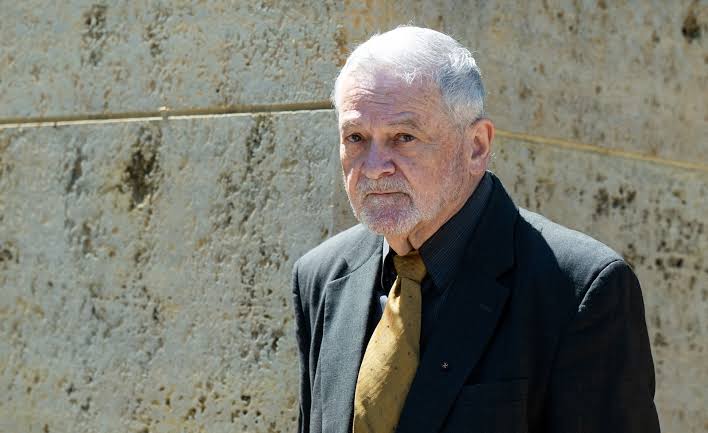
Dr. David Morens, a former senior adviser to Dr. Anthony Fauci during the COVID-19 pandemic, pleaded guilty Tuesday to conspiring to defraud the United States by concealing federal records related to coronavirus origins research. Morens, 78, entered his plea during a hearing in federal court in Greenbelt, Maryland, admitting he tried to evade public records laws by using his personal email instead of his government account to discuss COVID-19 research grants. He faces up to five years in prison when he is sentenced on November 12, and Fauci himself was not charged in the case.
What Happened
Morens, who served as a senior official at the National Institute of Allergy and Infectious Diseases under Fauci, was indicted in April on charges tied to a scheme prosecutors say was designed to thwart public records requests received by the agency beginning in April 2020, all connected to COVID-19 research grants. He pleaded guilty to a single conspiracy charge before U.S. District Judge Paula Xinis, who is scheduled to sentence him on November 12.
Morens’ attorney, Timothy Belevetz, said in a statement that by pleading guilty, Morens had taken responsibility for what he did and would continue to do so. Morens has also apologized in previous congressional hearings for his handling of federal records during his time at the agency.
Background
The case grew out of a House Republican investigation into the origins of the COVID-19 pandemic, which scrutinized Morens’ email communications and accused him of intentionally concealing records from public disclosure. In earlier congressional testimony, Morens had denied deliberately trying to evade federal transparency laws by relying on his personal email account. Prosecutors alleged otherwise, pointing to internal messages in which Morens discussed specifically avoiding his official government account when corresponding about sensitive research funding decisions tied to the pandemic’s origins.
The plea comes just weeks after Fauci himself appeared before the Senate Homeland Security and Governmental Affairs Committee, chaired by Republican Senator Rand Paul, where he invoked his Fifth Amendment right against self-incrimination more than 100 times and declined to answer questions about his handling of the pandemic and the virus’s origins. Days later, Fauci also declined a request to voluntarily appear before a second Senate panel, after Republicans on the Homeland Security Committee voted along party lines to hold him in contempt of Congress. Fauci was not charged in Morens’ case, and before leaving office, President Biden had issued Fauci a preemptive pardon.
The coronavirus research grants at the center of the case have drawn sustained scrutiny from Senator Paul and other Republicans, who have claimed, without definitive proof, that the virus behind the pandemic originated in a laboratory in China, and have accused both Fauci and Morens of covering up that possibility. Both men have denied the allegation, and the broader scientific community remains divided, with no conclusive public evidence having settled the question of the virus’s origin either way.
Why It Matters
The guilty plea marks one of the most concrete legal consequences to date stemming from years of congressional investigation into the pandemic’s origins and the federal government’s research funding practices during that period. For congressional Republicans who have pursued this line of inquiry since regaining committee control, Morens’ plea offers a tangible result after a lengthy and often contentious investigative process that included multiple high-profile, combative hearings.
The case also highlights ongoing tension between transparency laws governing federal records and how government scientists communicate about sensitive research. Morens’ admission that he used personal email specifically to sidestep records requests raises broader questions about recordkeeping practices across federal science agencies, and is likely to fuel continued Republican-led scrutiny of NIH grant oversight. Government watchdog groups note the case illustrates a persistent gap in federal transparency law: personal accounts remain harder for oversight bodies to monitor than official government channels, an issue that has surfaced in other unrelated federal records disputes in recent years.
Statistics & Context
- Morens’ age: 78
- Maximum prison sentence he faces: 5 years
- Sentencing date: November 12, 2026
- Charge: conspiracy to defraud the United States
- Month he was indicted: April 2026
- Times Fauci invoked the Fifth Amendment during his July Senate hearing: more than 100
- Year the alleged records-concealment scheme began: 2020
What’s Next
Morens is scheduled to be sentenced on November 12 by Judge Paula Xinis, who will determine whether he receives the maximum five-year sentence or a lesser penalty. Congressional Republicans are expected to continue their broader investigation into pandemic-era research funding and transparency practices at federal science agencies, even though Fauci himself has not been charged in connection with the case. Questions about NIH recordkeeping and oversight of politically sensitive research are likely to remain a live issue in Congress well beyond Morens’ sentencing.
FAQ
What did David Morens plead guilty to?
Conspiracy to defraud the United States, tied to a scheme to conceal federal records related to COVID-19 origins research by using his personal email instead of his government account.
Who is David Morens?
A former senior official at the National Institute of Allergy and Infectious Diseases who worked as a senior adviser to Dr. Anthony Fauci during the COVID-19 pandemic.
Was Dr. Fauci charged in this case?
No. Fauci was not charged, and he received a preemptive pardon from President Biden before leaving office.
What sentence does Morens face?
Up to five years in prison, with sentencing scheduled for November 12, 2026.
Why did this investigation happen?
It stemmed from a House Republican probe into COVID-19’s origins that scrutinized Morens’ email records and accused him of intentionally withholding documents from public disclosure requests.
Editorial Note: This article was prepared using publicly available information from news organizations and federal court records available at the time of publication.
Sources:
U.S. News & World Report (AP): Ex-Fauci Adviser Pleads Guilty to Plotting to Conceal COVID-19 Research Records During Pandemic
Democracy Now!: Former Fauci Adviser Pleads Guilty to Concealing Documents Related to COVID-19 Pandemic