
Quick Summary
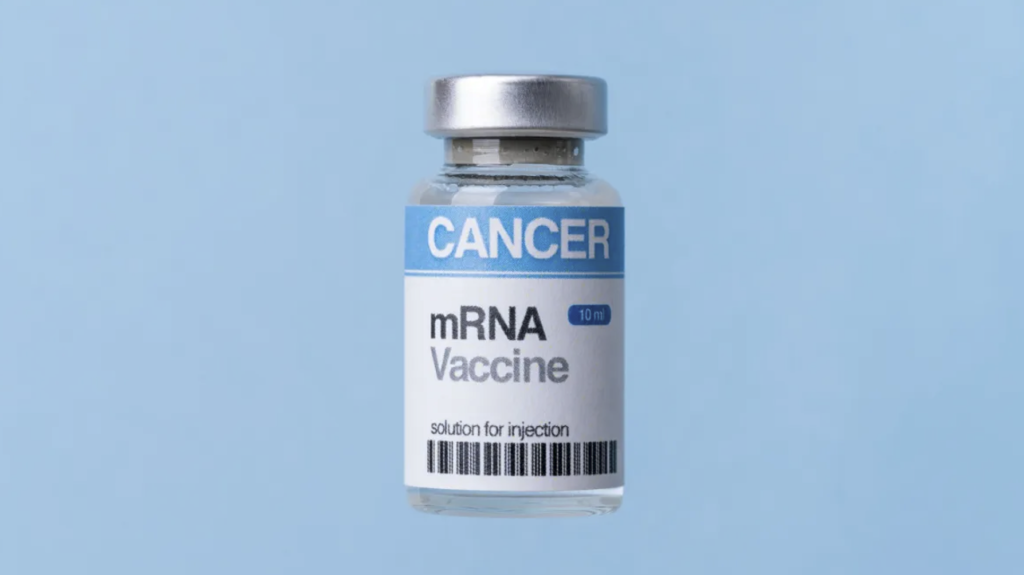
Drugmakers Moderna and Merck announced Wednesday that an experimental, personalized mRNA cancer vaccine slowed the return and spread of melanoma in a large, late-stage clinical trial, marking the first positive final-stage result for any mRNA-based cancer therapy. The vaccine, called intismeran and combined with Merck’s existing immunotherapy drug Keytruda, was tested in patients who had already undergone surgery to remove high-risk melanoma, the deadliest form of skin cancer. The companies have not yet published the full results in a peer-reviewed journal, saying instead the data will be presented at an upcoming medical meeting and shared with regulators as they pursue FDA approval.
What Happened
According to a company news release, the Phase 3 trial enrolled nearly 1,000 patients who had already had surgery to remove melanoma and were considered at high risk of recurrence. Those who received the personalized mRNA vaccine alongside Keytruda saw a significant reduction in the risk of their cancer returning or spreading to other parts of the body, compared with patients who received Keytruda alone.
Moderna CEO Stéphane Bancel called the findings a pivotal moment for cancer research, saying that for years the idea of creating an mRNA treatment designed specifically for an individual patient’s cancer had remained aspirational, and that the company was now helping turn that vision into reality. Moderna’s chief development officer, Dr. David Berman, who has worked on melanoma research for years before joining the company, described the degree of benefit shown in the trial as incredible, pointing to the significant drop in recurrence risk among patients who received the vaccine.
Background
The vaccine works by training a patient’s immune system to identify and destroy their specific cancer cells, targeting abnormal proteins called neoantigens that appear on the surface of tumor cells. Because every patient’s tumor carries a distinct genetic signature, each dose of the vaccine is manufactured individually for that specific patient, based on genetic sequencing of their own cancer.
Moderna and Merck have been developing the melanoma vaccine for roughly a decade, building on mRNA technology that first reached mass public use through COVID-19 vaccines developed during the pandemic. That earlier success helped validate mRNA as a viable platform for rapid, large-scale medical development, and researchers have spent decades since exploring whether the same underlying technology could be adapted to train the immune system against cancer specifically, rather than infectious disease. The Food and Drug Administration this month also approved the first mRNA-based flu vaccine, also developed by Moderna, reflecting the platform’s expanding use beyond its original pandemic application.
Wednesday’s announcement carries additional weight given recent political headwinds facing mRNA research in the United States. The results come after the Trump administration cancelled roughly half a billion dollars in federal contracts and grants supporting mRNA vaccine development projects focused on respiratory viruses, a decision that had raised concerns among researchers about the platform’s future funding prospects even as its cancer applications continued advancing in the private sector.
Why It Matters
The trial’s success represents a significant milestone for oncology more broadly, since it is the first mRNA-based cancer therapy to succeed in a final-stage clinical trial, a critical threshold on the path to regulatory approval. Melanoma researchers see the results as a proof of concept that could extend well beyond skin cancer specifically. Penn Medicine Cancer Center director Dr. Robert Vonderheide said the ultimate goal of harnessing the immune system through this kind of technology may eventually be to prevent cancer in the first place, though he noted this particular trial was focused on preventing relapse in patients who had already been treated.
Researchers are already studying whether similar personalized mRNA vaccines could help prevent the recurrence of other cancers, including lung cancer, suggesting the melanoma results could serve as a template for a broader category of individualized cancer therapies. The market reaction to the announcement reflected just how significant investors considered the news: Moderna’s stock price spiked by a record percentage gain on the day of the announcement, though the company’s shares remained well below the highs it reached during the peak of COVID-19 vaccine demand, and Merck’s stock also climbed sharply.
Statistics & Context
- Patients enrolled in the Phase 3 trial: nearly 1,000
- Years Moderna and Merck have worked on the melanoma vaccine: approximately 10
- Federal mRNA research funding cancelled by the Trump administration: roughly $500 million
- Vaccine name: intismeran, developed by Moderna
- Companion drug: Keytruda (pembrolizumab), Merck’s existing immunotherapy
- Cancer type targeted: melanoma, the deadliest form of skin cancer
What’s Next
Moderna and Merck plan to present the full trial results at an upcoming medical conference and share the data with regulators as part of an effort to seek FDA approval for the vaccine. Because the companies have not yet published the results in a peer-reviewed journal, independent scientists have not had the opportunity to fully evaluate the data, meaning some caution is still warranted until that review occurs. Researchers are expected to continue exploring whether the same personalized mRNA approach can be adapted to prevent recurrence in other cancer types, including lung cancer, building on the melanoma trial’s results.
FAQ
What did the trial find?
That a personalized mRNA cancer vaccine, combined with the immunotherapy drug Keytruda, significantly reduced the risk of melanoma returning or spreading compared with Keytruda alone.
How does the vaccine work?
It’s manufactured individually for each patient based on the genetic profile of their specific tumor, training the immune system to recognize and attack abnormal proteins found on their cancer cells.
Has this been approved by the FDA?
Not yet. The companies plan to share the trial results with regulators as part of an effort to seek approval, but the vaccine remains in the approval pipeline.
Is this the first mRNA cancer vaccine to succeed in a major trial?
Yes. This marks the first positive final-stage clinical trial result for any mRNA-based cancer therapy.
Could this technology be used for other cancers?
Researchers are already studying whether similar mRNA vaccines could help prevent the recurrence of other cancers, including lung cancer.
Editorial Note: This article was prepared using publicly available information from a company news release and news organizations at the time of publication. The full trial results have not yet been published in a peer-reviewed journal or independently reviewed by outside scientists, and information may be updated once that review occurs. This story touches on serious illness; if you or someone you know is affected by cancer and needs support, the American Cancer Society’s helpline offers free information and resources, and I’m happy to help point you toward further support.
Sources:
The Washington Post: Cancer treatment could face landmark moment with promising vaccine
STAT News: Moderna and Merck say mRNA cancer vaccine succeeded in late-stage melanoma trial
The National (UAE): Skin cancer breakthrough delivers second act for Moderna’s mRNA vaccines
Democracy Now!: New mRNA Treatment Shows Promising Signs of Preventing Skin Cancer