
Quick Summary
US Strikes hit approximately 140 Iranian military targets over the weekend, marking the heaviest exchange of fire between Washington and Tehran in weeks. The strikes came after Iran attacked a container ship attempting to transit the Strait of Hormuz, setting it ablaze and forcing its crew to abandon the vessel. Iran retaliated with missiles and drones fired at U.S. bases and allied nations across the Gulf, including Qatar, Bahrain, and Oman, while claiming to have closed the Strait of Hormuz entirely to shipping. It marks the third consecutive weekend of exchanged fire between the two countries and comes just days after President Trump declared the prior ceasefire “over.”
What Happened
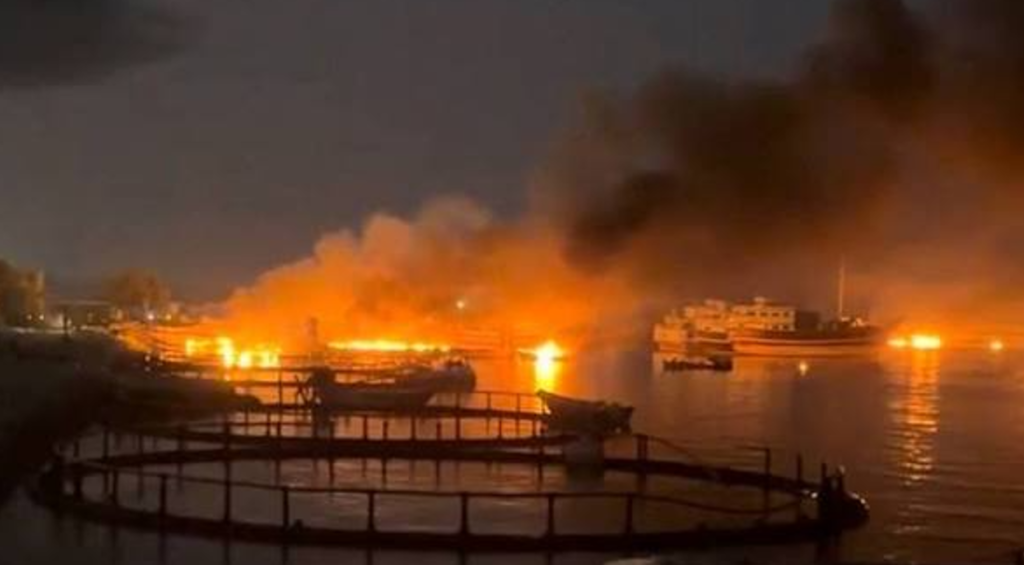
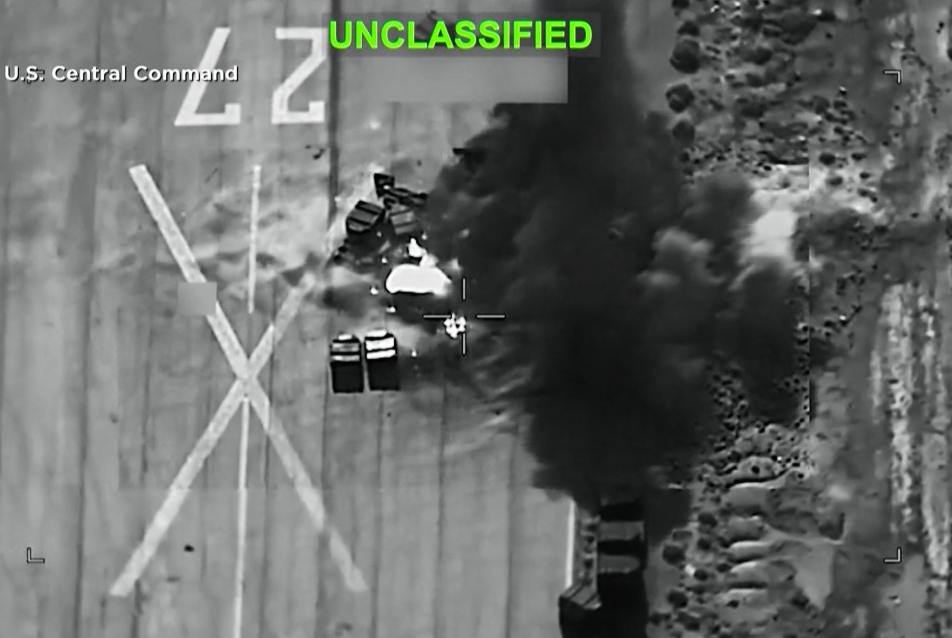
The latest escalation began when Iran’s navy fired on the M/V GFS Galaxy, a Cyprus-flagged container ship, causing significant engine room damage and a fire that forced its crew to abandon the vessel. Iran said it fired warning shots after several ships attempted to travel along an unapproved route through the waterway. U.S. Central Command responded with strikes directed by President Trump, saying the goal was to impose a heavy cost on Iran for continuing to threaten commercial shipping through the strait.
Iran responded early Sunday with ballistic missiles targeting Al Udeid Air Base in Qatar, according to Iranian state broadcaster IRIB, while also striking sites in Oman’s Musandam and Al Wusta governorates. Missile alerts and sirens sounded in Bahrain, the UAE, and Qatar, though no immediate damage or injuries were reported in those locations. Qatari armed forces intercepted a missile attack over Doha.
Background
The U.S. and Iran have been at war since February 28, 2026, when American and Israeli forces launched strikes that killed many of Iran’s top military and political leadership, including then-Supreme Leader Ayatollah Ali Khamenei. Since then, fighting has followed a recurring pattern: an Iranian strike on a vessel transiting Hormuz, followed by American retaliation against targets inside Iran, followed by Iranian missile and drone attacks on U.S. Gulf allies.
The latest round follows a defiant message from Iran’s new Supreme Leader, Mojtaba Khamenei, who vowed after his father’s burial to avenge what he called the martyred leader’s blood. U.S. officials had warned Friday that Iran would face serious consequences unless it publicly declared the strait open to commercial shipping, a warning Defense Secretary Pete Hegseth referenced directly after the strikes, saying Iran had made a poor choice and would now pay the price.
Why It Matters
The Strait of Hormuz has become the central sticking point in efforts to negotiate a lasting end to the five-month war. The narrow waterway, which sits in both Iranian and Omani territorial waters but is treated internationally as an open shipping lane, gives Iran significant leverage over global energy markets so long as it can credibly threaten to restrict passage. Iran’s claim to have closed the strait entirely, a claim the U.S. disputes. raises the stakes considerably given the volume of the world’s oil and natural gas that transits the route.
The pattern of repeated strikes has already left Iran’s military badly degraded and its population strained: prior rounds of fighting last week alone killed at least 17 people and wounded 115 others, according to Iran’s Health Ministry. Diplomatically, the fighting is also testing the patience of mediators, Pakistan, Qatar, and Egypt have continued pushing for an agreement even as talks appear increasingly fragile.
Expert & Official Reaction
U.S. military position: CENTCOM said Iran was given another opportunity to demonstrate compliance with the existing memorandum of understanding after being held accountable for earlier attacks on commercial vessels, but failed to do so again.
U.S. diplomatic skepticism: UN Ambassador Mike Waltz dismissed an earlier Iranian claim that strikes on merchant ships were accidental, questioning whether junior officers could act without consequence inside a hierarchical organization like the IRGC.
Regional response: Oman’s Foreign Ministry summoned Iran’s ambassador to lodge a formal protest after Sunday’s drone strikes on Omani territory, with a senior Omani official describing Iran’s actions as irresponsible, just a day after the two countries had held talks on managing the strait.
Diplomatic outlook: Iranian Foreign Minister Abbas Araghchi held a call with his Pakistani counterpart as tensions flared, signaling mediators are still trying to keep a diplomatic track alive even as fighting continues.
Statistics & Context
- Iranian military targets struck by U.S. forces: approximately 140
- Deaths from prior strikes on Iran last week alone: at least 17, with 115 wounded, per Iran’s Health Ministry
- Consecutive weekends of exchanged fire: 3
- Countries hit by Iranian retaliatory strikes: Qatar, Bahrain, Oman (with alerts also in the UAE)
- War duration as of this weekend: since February 28, 2026 (roughly 4.5 months)
What’s Next
The central unresolved question is whether the Strait of Hormuz remains passable at all, Iran claims it is closed, while U.S. Central Command disputes that characterization, and the discrepancy itself signals how far apart the two sides remain. Mediators from Qatar, Pakistan, and Egypt are expected to keep pushing for a new agreement, but Trump’s declaration last week that the prior ceasefire is “over” suggests any near-term de-escalation is uncertain. Further Iranian retaliation, and further US strikes in response, remain likely given the pattern of the past three weekends.
FAQ
Why did the US strike Iran this weekend?
In response to an Iranian naval strike on a Cyprus-flagged container ship, the M/V GFS Galaxy, attempting to transit the Strait of Hormuz.
How many targets did the US hit?
U.S. Central Command said its forces struck approximately 140 Iranian military targets, including missile sites, drone sites, naval capabilities, and communication networks.
Is the Strait of Hormuz actually closed?
Iran claims it has closed the strait to all shipping, but US Central Command disputes that claim, and the disagreement itself is a major point of tension.
Which countries did Iran retaliate against?
Iran launched missile and drone strikes on U.S. military bases and allied nations including Qatar, Bahrain, and Oman, with alerts also sounding in the UAE.
Is this part of a larger war?
Yes. The U.S. and Iran have been at war since February 28, 2026, when U.S. and Israeli strikes killed much of Iran’s senior leadership, including former Supreme Leader Ayatollah Ali Khamenei.
Editorial Note: This article was prepared using publicly available information from international news organizations and official sources available at the time of publication. Facts may be updated as authorities release new information, given the fast-moving nature of this story.
Sources:
CNN – US strikes Iran after ship attack in Strait of Hormuz
The Washington Post – Iran reports new attacks on military targets