
Quick Summary
The Missouri flooding disaster deepened this weekend after more than 200 children and counselors were airlifted to safety from Camp Taum Sauk in Lesterville, with the campers plucked from rising water by eight Missouri National Guard Black Hawk helicopters in one of the largest air rescue operations the state has ever mounted. More than 12 inches of rain fell across parts of southeastern Missouri, pushing the Black River toward a record crest of more than 28 feet near Annapolis and forcing over 350 rescues across three counties. One woman remains missing in Crawford County after the house she was in was swept off its foundation, and the governor has declared a state of emergency as neighboring Kentucky deals with flooding of its own.
The Rescue at Camp Taum Sauk
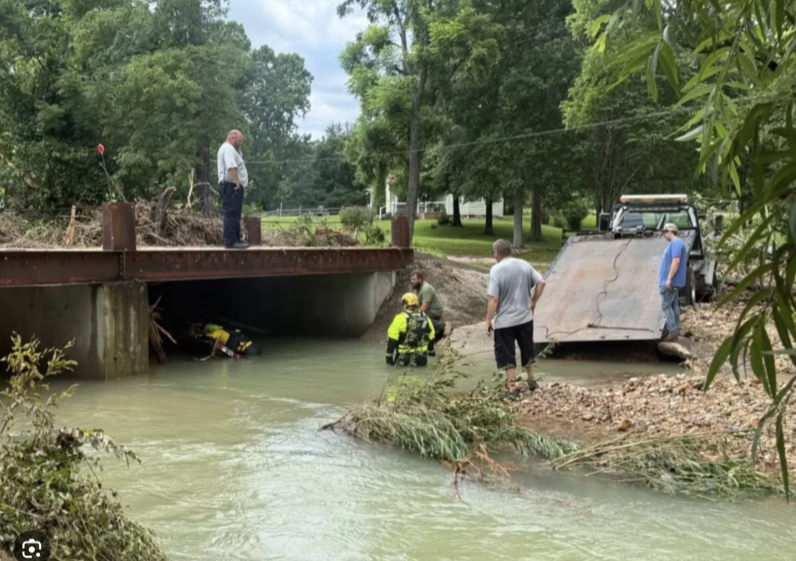
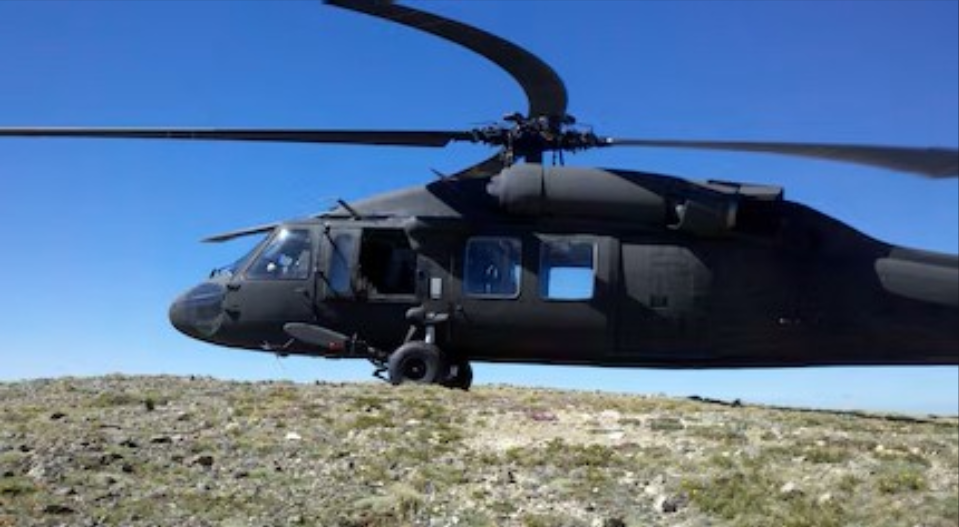
When the water started rising around Camp Taum Sauk in Reynolds County on Friday, the roads out were already gone. What followed, according to PBS NewsHour and NPR, was an operation more commonly associated with hurricane zones than the Missouri Ozarks: eight UH-60 Black Hawk helicopters, crewed by roughly 35 members of the Missouri National Guard, shuttling more than 200 campers and counselors from the flooded camp to a nearby elementary school, where anxious parents waited to collect their children. Guard officials said the airlift was necessary because floodwaters had cut off every ground route to the camp, which sits along the Black River in one of the most rugged and beautiful stretches of the state.
The campers were among more than 350 people rescued across three counties on Friday alone. ABC News reported roughly 100 of those were water rescues, and in one of the most harrowing episodes, about 20 people had to be pulled to safety after a campground building collapsed into the floodwaters. Two rescue boats capsized during the operations, though other emergency crews recovered the responders safely.
How Much Rain Fell, and Why It Was So Destructive
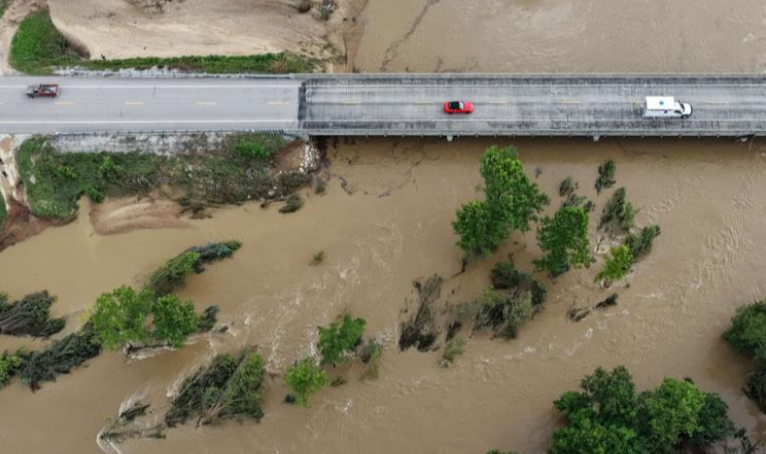
The numbers explain the destruction. More than 12 inches of rain fell over the region in a compressed window, an amount southeastern Missouri would normally receive over three months. The Black River, which drains the steep terrain of the St. Francois Mountains, was expected to crest at more than 28 feet near Annapolis, which would set a record for the waterway. Rivers in this part of the state rise with frightening speed because the thin, rocky Ozark soil absorbs little water, funneling nearly all of it into narrow valleys where camps, campgrounds, and small towns cluster along the banks.
That geography has produced tragedy before. The same Black River valley flooded catastrophically in 2017, and longtime residents recall the 1982 flood that reshaped several towns in the region. Camp Taum Sauk itself takes its name from nearby Taum Sauk Mountain, the highest point in Missouri, and the area’s popularity with summer camps and float trip outfitters means thousands of children are in the valley on any given July weekend, which is precisely what made Friday’s rainfall so dangerous.
Why It Matters
The rescue’s success, with no reported deaths among the campers, is a credit to how quickly the National Guard moved, but the event underscores a growing national problem: summer camps sit disproportionately in flood-prone river valleys, and extreme rainfall events are becoming more frequent and more intense across the American Midwest. The National Weather Service has documented a measurable increase in heavy downpour events across Missouri over recent decades, and emergency managers have warned that camp evacuation plans built around road access can fail exactly when they are needed most, as happened Friday when every route out of Taum Sauk went underwater.
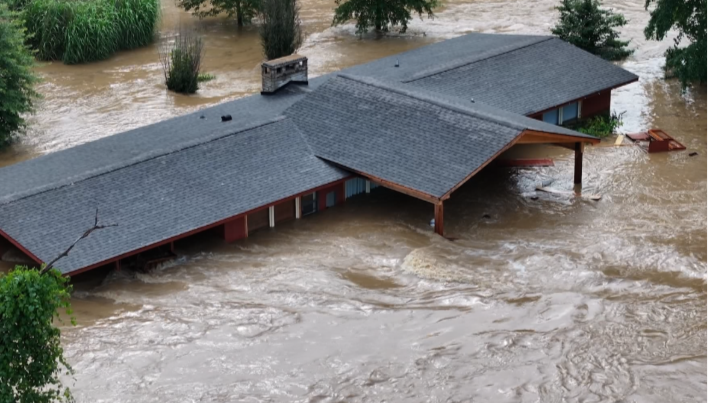
The search in Crawford County adds a somber note. Faith Gregory remains the only person reported missing after the house she was in was swept from its foundation, and search teams continued working the area through the weekend.
The Broader Picture
Beyond the immediate emergency, the flooding raises familiar questions about disaster response funding and rural infrastructure. Reynolds, Crawford, and the surrounding counties are among Missouri’s least populous, with volunteer fire departments shouldering much of the initial rescue burden before the Guard arrived. State officials will now assess damage to low-water crossings, county bridges, and roads, infrastructure that in past Ozark floods has taken years to fully rebuild. The state of emergency declaration unlocks state resources and positions Missouri to request federal disaster assistance if damage assessments meet the threshold.
Numbers and Context
More than 12 inches of rain fell in the hardest-hit areas. The Black River was forecast to crest above 28 feet near Annapolis, a record. More than 350 people were rescued across three counties, including over 200 campers and counselors airlifted by 8 Black Hawk helicopters crewed by about 35 Guard members. About 20 people were rescued from a collapsed campground building, and roughly 100 of Friday’s rescues were water rescues. One person, Faith Gregory of Crawford County, remains missing.
What’s Next
Rivers across southeastern Missouri were expected to remain above flood stage into early week, and additional rain in the forecast could complicate recovery. The search for the missing Crawford County woman continues, damage assessments begin once the water recedes, and families of Camp Taum Sauk campers have been reunited with their children at the elementary school staging site.
FAQ
What happened at Camp Taum Sauk? Floodwaters cut off all road access to the summer camp in Lesterville, Missouri, so eight Missouri National Guard Black Hawk helicopters airlifted more than 200 campers and counselors to a nearby elementary school on Friday.
Was anyone killed in the Missouri flooding? No deaths had been confirmed as of Sunday, but one woman, Faith Gregory of Crawford County, remains missing after a house was swept from its foundation.
How much rain fell in Missouri? More than 12 inches fell across parts of southeastern Missouri, and the Black River was expected to crest at a record level of more than 28 feet near Annapolis.
How many people were rescued in total? More than 350 people across three counties on Friday, including the campers, roughly 100 water rescues, and about 20 people pulled from a collapsed campground building.
Is flooding like this becoming more common in Missouri? Weather data shows heavy rainfall events have increased in frequency and intensity across the Midwest in recent decades, and the same Black River valley flooded severely in 2017.
Editorial Note: This article was prepared using publicly available information from international news organizations and official sources available at the time of publication. Facts may be updated as authorities release new information.
Sources: