
Quick Summary
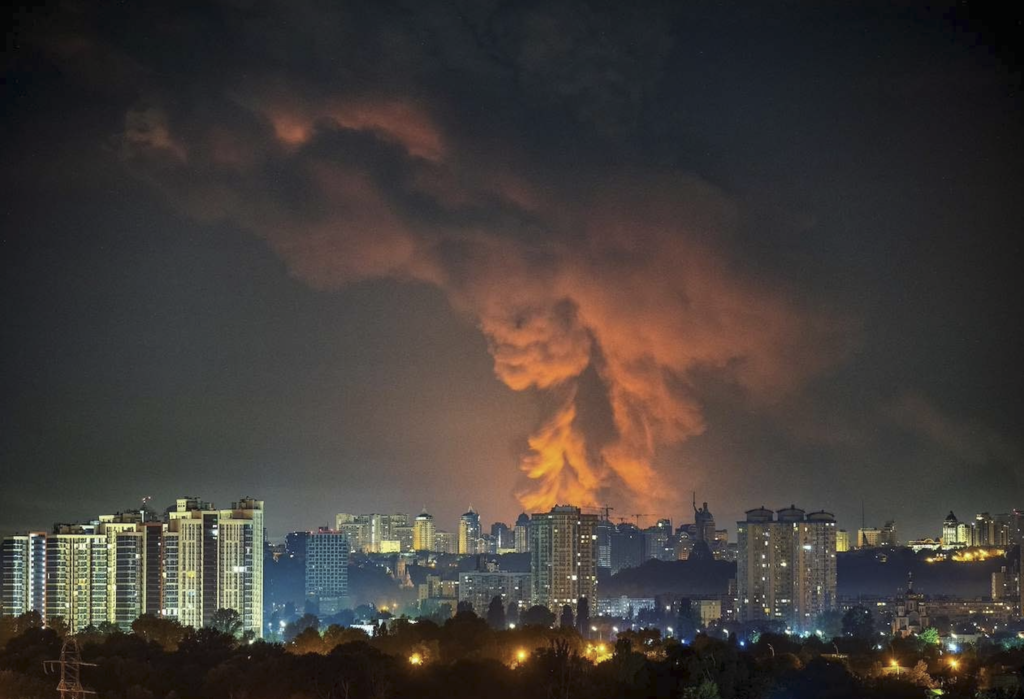
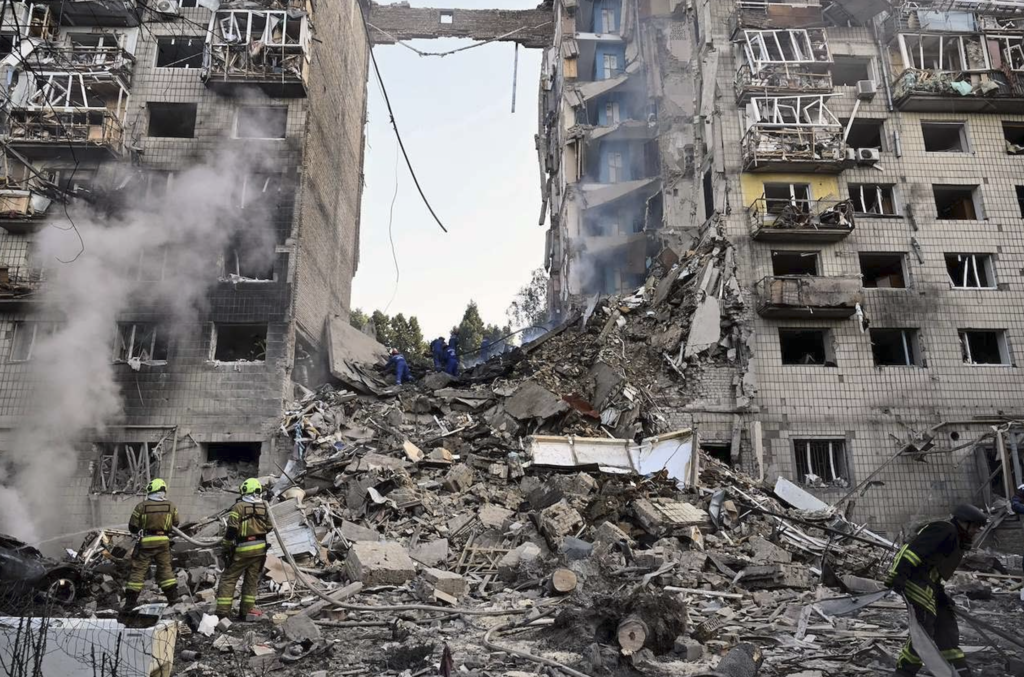
A devastating Kyiv attack killed 17 people and wounded 44 others overnight into Wednesday, as Russian missile and drone strikes hit Ukraine’s capital and surrounding region in an assault that exposed just how depleted the country’s air defenses have become. According to NPR, Russia fired 24 ballistic missiles, 4 additional hypersonic Zircon or supersonic Onyx missiles, and 115 drones at Kyiv and its region, and not a single one of the 28 missiles was intercepted, according to figures released by Ukraine’s Air Defense forces. President Volodymyr Zelenskyy said the strikes hit a brewing company, a construction material warehouse, and a mail sorting facility, sites he described as having nothing to do with the war, while Russia’s Defense Ministry claimed the locations were tied to military logistics and drone production.
What Happened
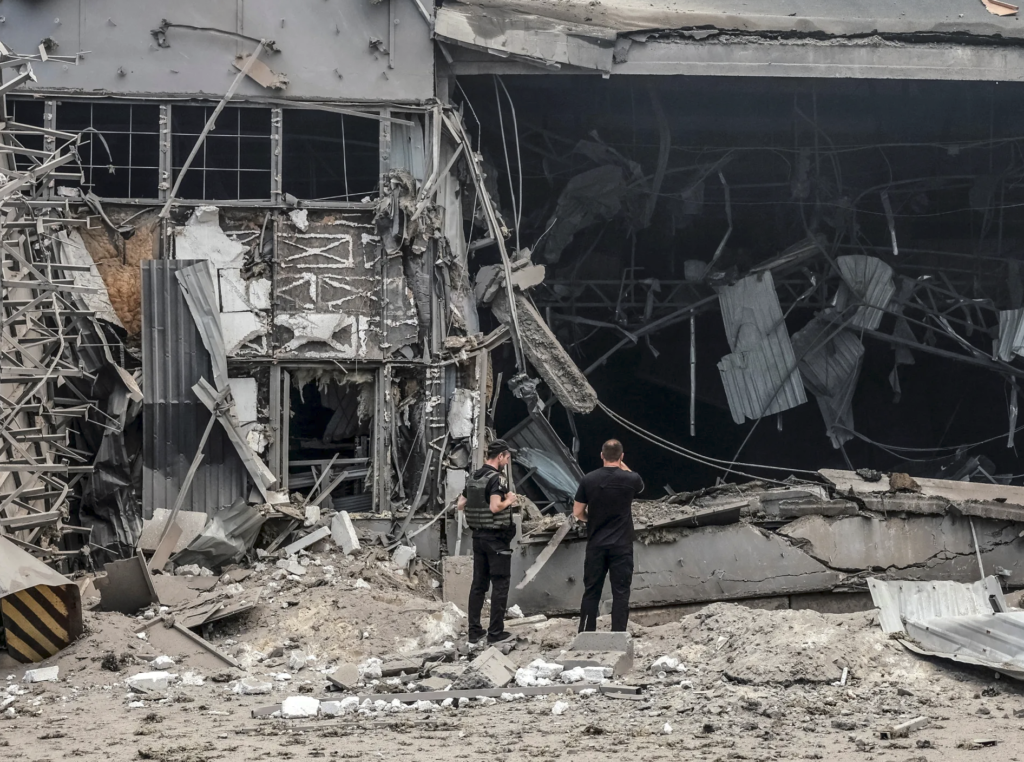
The nighttime barrage lasted roughly two hours, according to NPR, and struck sites across multiple districts of Kyiv and the surrounding region. According to Novaya Gazeta Europe, rescue crews responded to a warehouse belonging to a retail store in Kyiv’s western Sviatoshynskyi district, an industrial facility in the southern Holosiivskyi district, and additional warehouses in the Brovary, Bucha, and Fastiv districts of the surrounding region.
A strike on a logistics center operated by the postal service Nova Poshta killed 3 people and wounded 8 others, according to the company, which said the building itself was completely destroyed. Russia’s Defense Ministry named the Nova Poshta terminal alongside the MLP-Chaika and Trans-Logistik logistics centers and an Epicentr warehouse as specific targets, claiming they were being used to store drones, drone components, and other dual-use goods, according to Novaya Gazeta Europe.
According to The Washington Post, Ukraine’s air defense forces reported shooting down 98 of the 115 drones fired at Kyiv, but none of the 28 missiles launched in the attack. That gap, nearly complete success against slower-moving drones alongside total failure against faster missiles, points directly to what Ukrainian officials describe as a critical shortage of interceptor missiles for the U.S.-made Patriot air defense system, the only weapon in Ukraine’s arsenal capable of shooting down ballistic missiles.
Background
Wednesday’s attack was the latest in what The Washington Times described as a series of large-scale Russian missile strikes that have become near-routine across Ukraine this summer. The pattern has intensified sharply in recent days: a Russian barrage on August 1 killed at least 9 people and wounded more than 30 in Kyiv, according to NPR’s earlier reporting, and that attack itself followed a separate strike just two days before it that killed at least 10 people elsewhere in Ukraine.
Zelenskyy has repeatedly pressed the United States and other Western partners for more Patriot interceptor missiles, warning that Ukraine has effectively run out of the ammunition needed to stop ballistic missile attacks. According to Al Jazeera’s coverage of the August 1 strike, only 1 of 27 ballistic missiles fired that night was intercepted, and Zelenskyy said at the time that was simply because Ukraine had no interceptors left for the Patriot system. Serhii Beskrestnov, an adviser to Zelenskyy, said the war of attrition has entered a new phase as Russia increasingly exploits that specific vulnerability, according to The Washington Times.
Ukraine has continued striking back against Russian territory even as it absorbs these barrages. According to NPR, Zelenskyy said Ukrainian drones struck three oil refineries overnight in Russia’s Bashkortostan region on August 1, roughly 1,000 miles from the front lines, part of a longer-range campaign against Russian fuel infrastructure that has continued in parallel with Moscow’s escalating strikes on Kyiv.
Why It Matters
The complete failure to intercept a single missile in Wednesday’s attack marks a stark and dangerous milestone in the war, illustrating in concrete terms just how thin Ukraine’s air defense capability has become at a moment when Russian strikes are occurring almost daily rather than the once-weekly pattern Ukrainian officials describe from earlier in the conflict. The shortage of Patriot interceptors specifically has become the central bottleneck, since it is Ukraine’s only system capable of countering ballistic missiles, meaning that even robust drone defenses cannot compensate for gaps against the missile threat.
The timing carries additional strategic weight given the broader regional context. Bloomberg’s reporting on Wednesday’s attack noted the barrage came amid fresh signs that Kyiv’s ability to defend against missile strikes is becoming exhausted, and Zelenskyy has directly linked the scarcity of available interceptors to global supply constraints worsened by the ongoing U.S.-Iran conflict, which has drawn Western military production and attention toward the Middle East even as Ukraine’s needs intensify.
Statistics & Context
- People killed in Wednesday’s attack: 17
- People wounded: 44
- Ballistic missiles fired: 24, plus 4 additional hypersonic Zircon or supersonic Onyx missiles
- Drones launched: 115, many jet-powered
- Missiles intercepted: 0 of 28 total
- Drones intercepted: 98 of 115
- Deaths in the prior Kyiv attack on August 1: at least 9, with 30+ wounded
- Deaths in a separate attack roughly two days before that: at least 10
What’s Next
Zelenskyy is expected to continue pressing the United States and other Western allies for additional Patriot interceptor missiles, a request complicated by competing global demand tied to the ongoing conflict in the Middle East. With Russian strikes now occurring at a near-daily pace according to Ukrainian officials, further large-scale attacks on Kyiv and other Ukrainian cities appear likely in the near term, and the interceptor shortage means Ukraine’s ability to defend against them is expected to remain severely limited unless supply constraints ease.
FAQ
How many people were killed in the latest Kyiv attack?
17 people were killed and 44 others wounded in the overnight strikes on Kyiv and the surrounding region.
How many missiles did Russia fire, and how many were intercepted?
Russia fired 28 missiles total, 24 ballistic and 4 hypersonic or supersonic cruise missiles, and none were intercepted, according to Ukraine’s Air Defense forces.
What sites were hit in the attack?
Targets included a brewing company, a construction material warehouse, a Nova Poshta postal logistics center, and several other warehouses across Kyiv and its surrounding districts.
Why is Ukraine struggling to intercept missiles?
Officials say Ukraine has a critical shortage of interceptor missiles for its U.S.-made Patriot systems, the only weapon in its arsenal capable of shooting down ballistic missiles.
Is this part of a larger pattern?
Yes. This was the third major Russian strike on Ukraine within about a week, following attacks on August 1 and roughly two days before that, part of what officials describe as an intensifying, near-daily bombardment campaign.
Editorial Note: This article was prepared using publicly available information from international news organizations available at the time of publication. Casualty figures may be updated as Ukrainian authorities continue their response.
Sources:
NPR:A Russian barrage in Ukraine’s capital kills 17 as air defenses fall short
The Washington Post:Russian barrage in Ukraine’s capital region kills 17 as air defenses fall short
Novaya Gazeta Europe:Russian missile and drone attack on Kyiv kills at least 17 people