
Quick Summary
The United States carried out a second consecutive night of strikes against Iran early Thursday, hitting port cities and military targets across the country’s south after President Trump declared the June ceasefire memorandum with Tehran “over.” The escalation, the most severe since the two countries signed a peace framework in mid-June, came after Iran attacked three commercial oil tankers in the Strait of Hormuz on Tuesday. Brent crude jumped 6 percent following Trump’s remarks, and Israel’s military has begun repositioning refueling aircraft to the region amid fears the wider war could reignite.
What Happened
US Central Command said it launched strikes on more than 80 targets early Wednesday in response to Tuesday’s attacks on three commercial vessels, the Marshall Islands-flagged M/T Al Rekayyat, Saudi-flagged M/T Wedyan, and Liberian-flagged M/T Cyprus Prosperity, all transiting the Strait of Hormuz. Speaking to reporters at the NATO summit in Ankara, Trump called the strikes powerful and described Iran’s leadership as “sick,” adding, “there’s something wrong with them.” He went further, saying he believed the memorandum of understanding signed with Iran on June 17 was “over,” calling continued talks “a waste of time,” though he said he “might” allow negotiations to continue regardless.
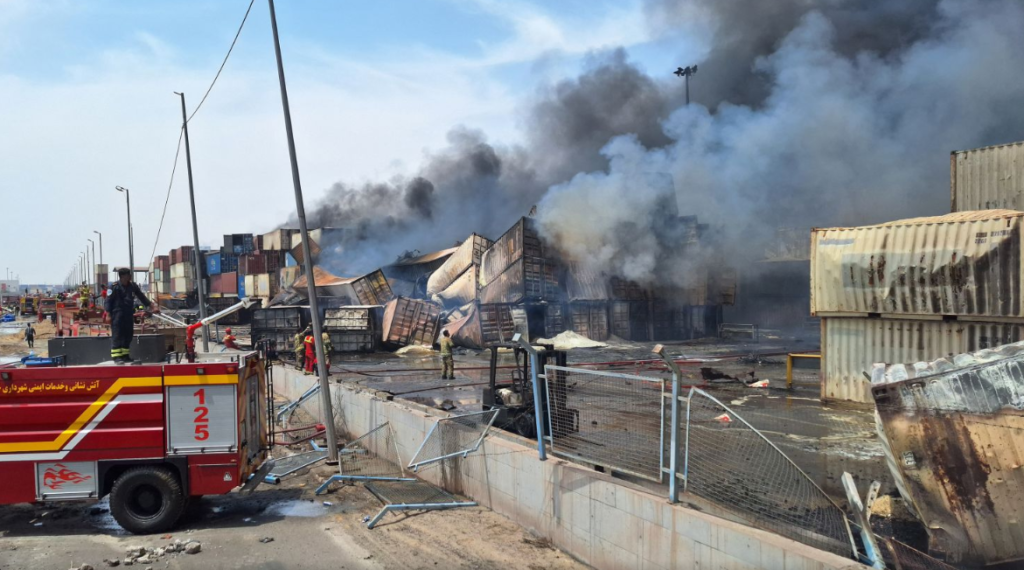
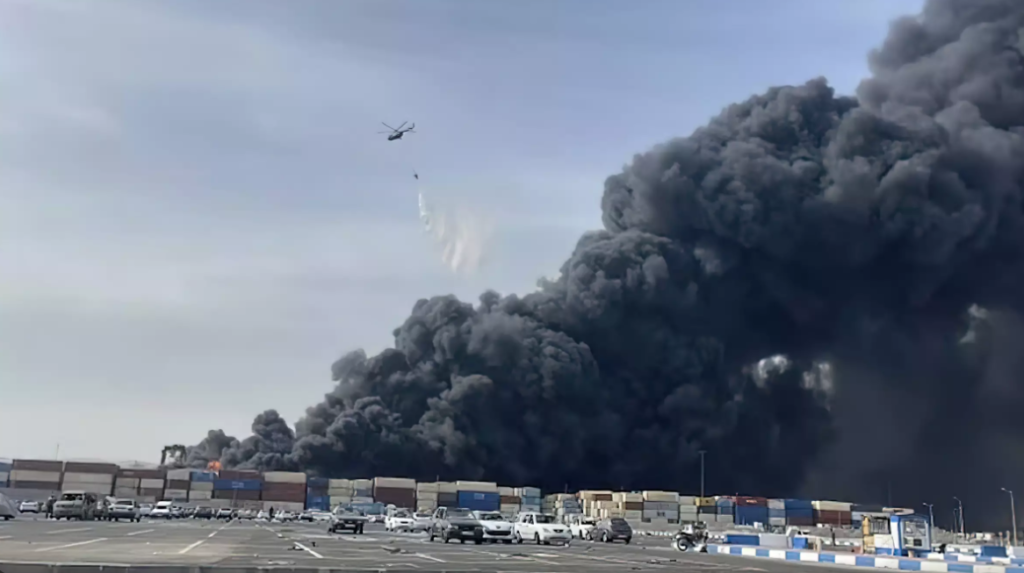
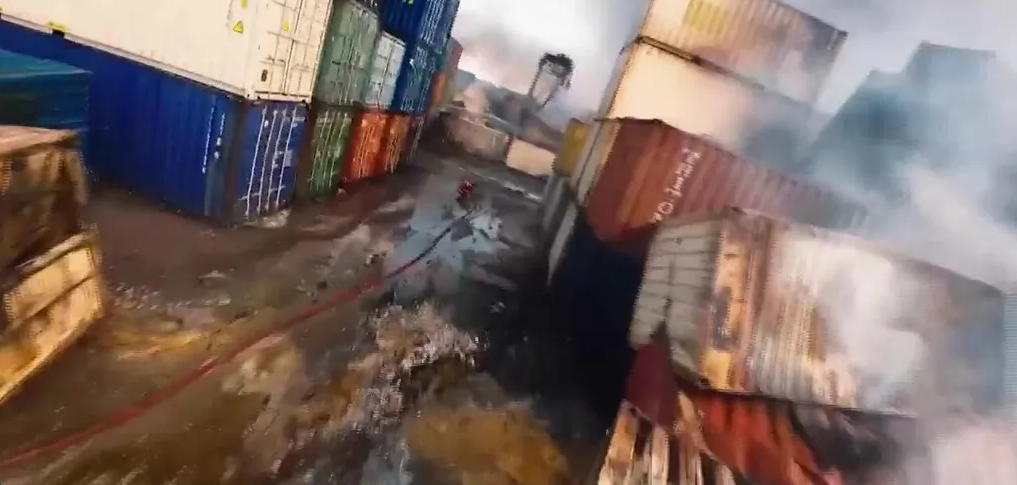
By Wednesday night into Thursday morning, CENTCOM confirmed a second wave of strikes, this time hitting the eastern Iranian cities of Iranshahr, Bandar Abbas, Konarak, Chabahar, and Bushehr, along with Aq Qala in the northeast, a significantly wider geographic footprint than the first night’s strikes on Kish, Bandar Abbas, Bushehr province, and Sirik. One firefighter was killed in an attack on Iranshahr’s airport, according to Iran’s state news agency IRNA. In Chabahar, home to Iran’s only oceanic port, explosions and power cuts were reported alongside damage to the Imam Ali hospital from strike debris, according to Iranian state broadcaster IRIB.
Background
The June 17 memorandum of understanding had established a 60-day framework intended to wind down the war that began in late February, when the US and Israel launched the strikes that killed Iran’s Supreme Leader Ayatollah Ali Khamenei. That framework has now been tested by military exchanges on three separate occasions, something Tehran says has fundamentally broken trust in the process. Iran’s Islamic Revolutionary Guard Corps said it responded to Wednesday’s first wave of strikes by targeting US assets in neighboring Gulf states, with air raid sirens sounding in both Bahrain and Kuwait; the IRGC said one of its members was killed by what it described as “enemy drones.”
The timing carries additional weight because the strikes unfolded during the days-long state funeral for Khamenei, whose body was being transported through Najaf, Iraq, in a procession on the same day CENTCOM confirmed the fresh round of strikes.
Why It Matters
The reimposition of US sanctions on Iranian oil, effective July 7 according to the Treasury Department, removes a waiver Trump had granted in April that allowed Iran to sell crude during the peace process, a waiver that had been set to expire August 21. Sales made before July 7 will still be processed, with proceeds placed into a blocked, interest-bearing account, but new sales face immediate restriction. Combined with the military escalation, the reversal signals a broader unraveling of the diplomatic track that had briefly stabilized the region since April.
Iran’s Parliament Speaker Mohammad Bagher Ghalibaf, one of the country’s most powerful political figures and a lead negotiator with Washington, issued a direct warning on social media: “If you strike, you’ll get hit,” adding that “America still hasn’t learned that bullying and breaking promises are no longer cost-free.” Foreign Minister Abbas Araghchi responded to Trump’s rhetoric by writing that Iranians “do not answer vulgarity with vulgarity, but with action.”
Expert Analysis
Economic impact: Brent crude rose 6 percent to $78 a barrel following Trump’s remarks that the ceasefire was over, while European stocks fell 1.6 percent, reflecting immediate market anxiety about renewed disruption to Gulf shipping and energy exports.
Military impact: Israeli media reported that the US has begun repositioning refueling aircraft back to the region after removing them during the ceasefire that began in April, a logistical shift that would be necessary to support sustained or expanded air operations if the conflict widens further. Israel’s defense establishment, which was not a party to the US-Iran talks and has remained skeptical of them, is reportedly maintaining close coordination with US Central Command to avoid being caught off guard by any sudden escalation.
Diplomatic impact: Trump told reporters aboard Air Force One that Iran had reached out wanting to make a deal “so badly,” but expressed doubt about whether Tehran would honor any agreement, saying “they lie and they cheat.” Qatar’s foreign minister spoke separately with Araghchi, with both sides emphasizing the importance of diplomatic channels and coordination to avoid further escalation, while Pakistan urged both the US and Iran to exercise restraint and uphold the existing memorandum.
Regional impact: Kish Island, Iran’s largest island near the Strait of Hormuz and a location Tehran considers critical to its control over the waterway, activated air defense systems amid explosions reported there, underscoring how directly this round of strikes targets Iran’s capacity to project power over the strait itself.
Statistics & Context
CENTCOM’s initial wave of strikes hit more than 80 targets. Two consecutive nights of strikes have now hit at least nine identified Iranian locations: Kish, Bandar Abbas, Bushehr province, Sirik, Iranshahr, Konarak, Chabahar, and Aq Qala. This marks the third time the US has launched major attacks on Iran since the June 17 memorandum began a planned 60-day peace negotiation process. Brent crude rose 6 percent to $78 a barrel in immediate reaction.
What’s Next
Trump has warned of continued strikes, telling reporters Iran would be hit “very hard” again if attacks on US or commercial targets continue, while also stating he did not know whether the two sides were heading toward a full resumption of open war. Whether Qatar’s mediation efforts and Pakistan’s calls for restraint can pull both sides back from further escalation will likely determine whether the remaining weeks of the 60-day framework survive in any form.
FAQ
Why did the US resume strikes on Iran?
CENTCOM said the strikes were retaliation for Iranian attacks on three commercial oil tankers transiting the Strait of Hormuz on Tuesday.
Is the US-Iran ceasefire officially over?
President Trump stated he believes the June 17 memorandum of understanding is “over,” though he indicated peace talks could still continue. No formal termination has been announced by either government.
How many strikes has the US conducted so far?
The first wave hit more than 80 targets. A second wave early Thursday expanded the geographic scope to include additional cities including Iranshahr, Chabahar, and Aq Qala.
Has anyone been killed in the latest strikes?
Iran’s state news agency IRNA reported one firefighter was killed in a strike on Iranshahr’s airport. The Revolutionary Guard Corps said one of its members was killed in a separate incident involving drones.
How are oil markets reacting?
Brent crude rose 6 percent to $78 a barrel following Trump’s comments that the ceasefire was over, while European stocks fell 1.6 percent.
Editorial Note: This article was prepared using publicly available information from international news organizations and official sources available at the time of publication. Facts may be updated as authorities release new information.
Sources: