
Quick Summary
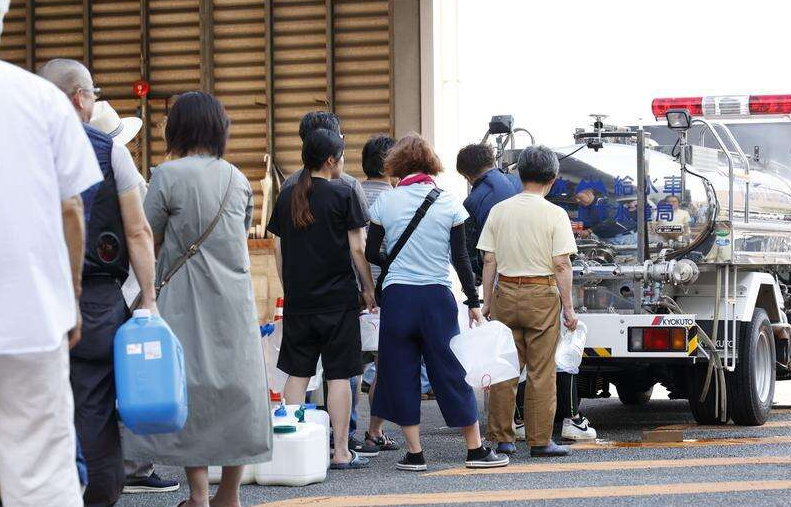
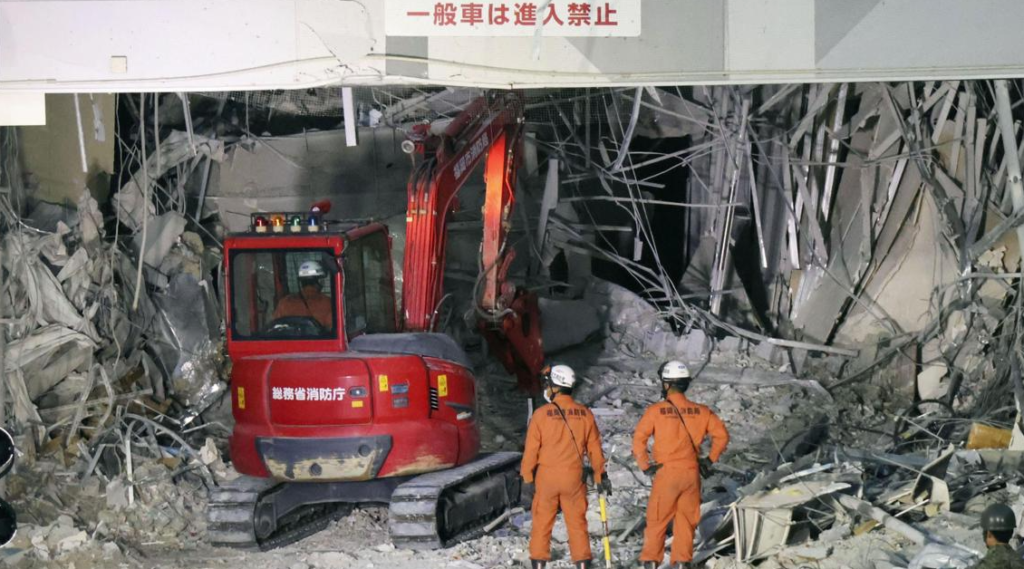
The death toll from Tuesday’s powerful earthquake in southwestern Japan has climbed to 34, with one additional death still under investigation, as search operations entered a fourth day and heavy machinery began clearing debris at the collapsed Aeon Mall in Kashima Town. According to NPR, the Kumamoto prefectural government confirmed the updated figure Friday, up sharply from 25 the day before, as officials said it remained unclear how many people might still be missing or the full scale of damage across the region. More than 79,000 homes were without water and over 3,500 without electricity as of Friday, according to Georgia Public Broadcasting.
What Happened
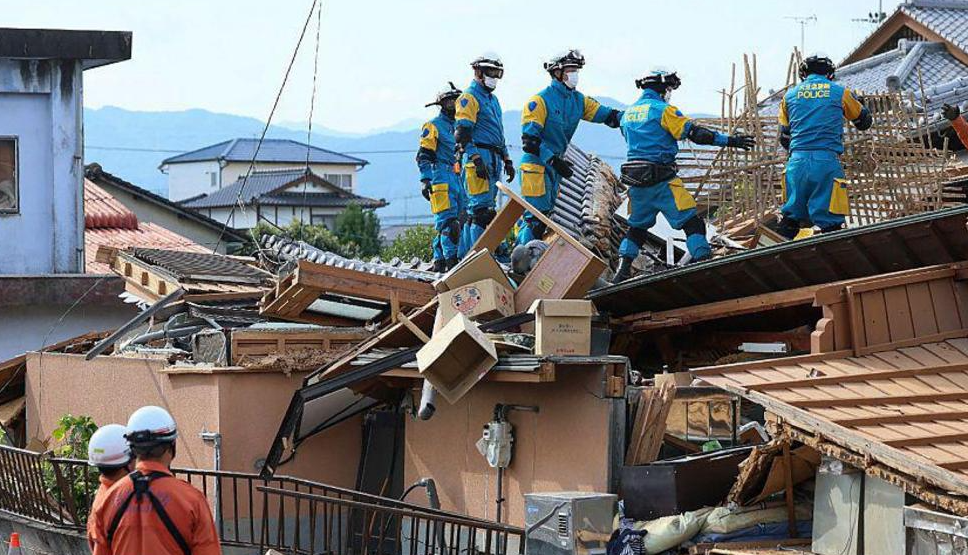
According to the Japan Times, rescuers raced against the clock to find survivors before the critical 72-hour mark passed, a widely recognized threshold after which survival odds drop sharply. At least seven of the deaths were caused directly by the explosion that brought down the shopping mall in Kashima, while another eight people died at the Nippon Paper Industries mill in Yatsushiro, meaning nearly half the confirmed fatalities are linked to those two specific sites rather than building collapses spread more broadly across the region, according to Al Jazeera.
The magnitude 7.1 quake, which the U.S. Geological Survey measured at 6.8, struck near the city of Uki on Tuesday, knocking out power to roughly 40,000 homes at its peak, halting rail service, and triggering tsunami warnings across parts of Kyushu, Japan’s southern main island, according to Al Jazeera. Japanese Prime Minister Sanae Takaichi has urged residents to remain vigilant for further strong aftershocks as recovery efforts continue.
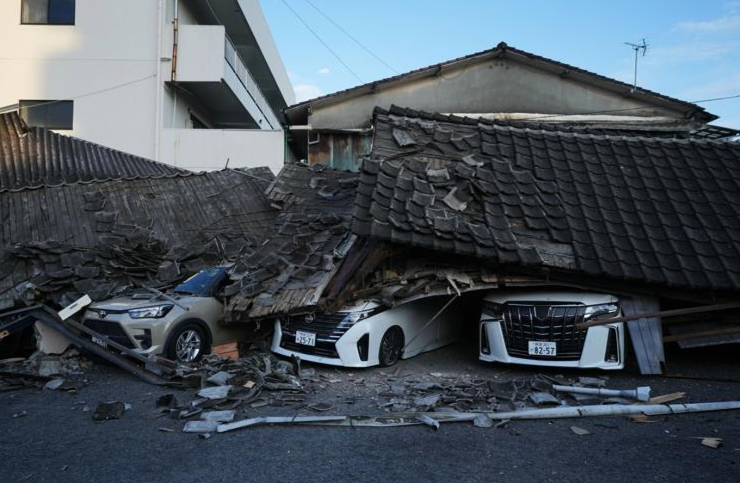
In the town of Hikawa, one of the hardest-hit parts of Kumamoto, officials said more than 800 of the town’s 4,500 homes were destroyed or damaged, according to NPR. Many residents have been sleeping in their vehicles in parks, at the town hall parking lot, or outside their homes, either lacking water and electricity or too afraid to sleep indoors. Ayako Sudo, a woman in her 70s sleeping in her car with her husband, told NPR that even small aftershocks bring back an intense feeling of fear in a wooden house, and that she would prefer somewhere that felt safe.
Background
According to Wikipedia’s ongoing summary of the disaster, the Japan Meteorological Agency has officially named the event the 2026 Kumamoto earthquake, and separate reporting from Kyodo News indicated the death toll had briefly been placed even higher, at 30, before later prefectural counts settled closer to 34 as authorities worked through confirming which deaths were directly quake-related. Kumamoto sits at the southern end of the Japan Median Tectonic Line, the country’s longest system of active faults, making the region historically prone to significant seismic activity.
Japan has mounted a large-scale emergency response. Prime Minister Takaichi said more than 4,600 Japan Self-Defense Forces personnel and 480 police officers from 11 prefectures have been deployed to assist with rescue efforts, including 170 soldiers specifically assigned to the collapsed Aeon Mall site, according to Wikipedia’s tracking of the response. Authorities have also issued heatstroke advisories for the affected area as temperatures reached 35°C, adding another layer of risk for both survivors in evacuation shelters and rescue crews working through the rubble.
Why It Matters
The updated toll and ongoing uncertainty about missing persons underscore how quickly the human cost of a disaster like this can compound once secondary incidents, in this case the mall explosion and the mill’s structural collapse, are factored in alongside deaths from the earthquake itself. The fact that nearly half of all confirmed fatalities trace back to just two specific sites, rather than being spread evenly across collapsed homes and infrastructure, is likely to keep investigative attention focused heavily on what caused the mall explosion and why the paper mill suffered such catastrophic structural failure.
The scale of ongoing displacement, with widespread water and electricity outages and hundreds of destroyed homes in towns like Hikawa, also signals that the disaster’s effects will extend well beyond the initial rescue phase. Extended reliance on shelters, vehicles, and informal housing arrangements, especially among elderly residents like Sudo, raises longer-term public health and housing recovery questions that are likely to remain relevant for weeks or months after search and rescue operations officially conclude.
Statistics & Context
Statistics & Context
- Confirmed deaths as of Friday: 34, with 1 additional death still under investigation
- Earthquake magnitude: 7.1 per Japan’s meteorological agency, 6.8 per the USGS
- Homes without water as of Friday: more than 79,000
- Homes without electricity as of Friday: more than 3,500
- Homes destroyed or damaged in Hikawa town alone: more than 800 of 4,500 total
- Deaths linked to the Aeon Mall explosion specifically: at least 7
- Deaths at the Nippon Paper Industries mill: 8
- Self-Defense Forces personnel deployed: more than 4,600
- Police officers deployed from 11 prefectures: 480
- Soldiers assigned specifically to the collapsed mall site: 170
- Days into search operations as of Friday: 4
- Temperature reached during rescue operations, prompting heatstroke advisories: 35°C
What’s Next
Search and rescue teams are racing to continue operations even though the 72-hour survival window has already passed, meaning the odds of finding additional survivors continue to diminish with each passing day. Authorities have not yet clarified how many people remain unaccounted for or the full extent of housing damage across the wider Kumamoto region, suggesting both figures could shift further in the coming days.
Restoring water and electricity to the tens of thousands of affected homes, alongside continued monitoring for aftershocks, are expected to be the government’s immediate priorities as the search phase winds down and the longer recovery effort begins. Prime Minister Sanae Takaichi’s administration is also likely to face growing questions about building and gas-safety standards, given how much of the current death toll traces back to the mall explosion and the mill’s structural failure rather than the earthquake’s direct shaking alone. Emergency housing and heat-related health risks for displaced residents, many of whom are elderly and currently sleeping in vehicles or shelters, are expected to remain a pressing concern through the coming weeks.
FAQ
How many people have died in the Kumamoto earthquake?
At least 34, with one additional death still under investigation as of Friday, July 31.
What caused the sharp deaths at the shopping mall and paper mill?
At least 7 deaths were linked to an explosion, believed caused by a gas leak, that brought down part of the Aeon Mall in Kashima Town, while 8 more occurred at a Nippon Paper Industries mill in Yatsushiro that suffered major structural damage.
How many homes are still without power or water?
More than 79,000 homes were without water and more than 3,500 without electricity as of Friday.
Is the search for survivors still ongoing?
Yes, though it has passed the critical 72-hour mark widely considered the window for survival, and officials say it remains unclear how many people may still be missing.
How has the Japanese government responded?
More than 4,600 Self-Defense Forces personnel and 480 police officers from 11 prefectures have been deployed, including 170 soldiers specifically at the collapsed mall site.
Editorial Note: This article was prepared using publicly available information from international news organizations available at the time of publication. Casualty and damage figures may be updated further as search and recovery efforts continue.
Sources: