
Quick Summary
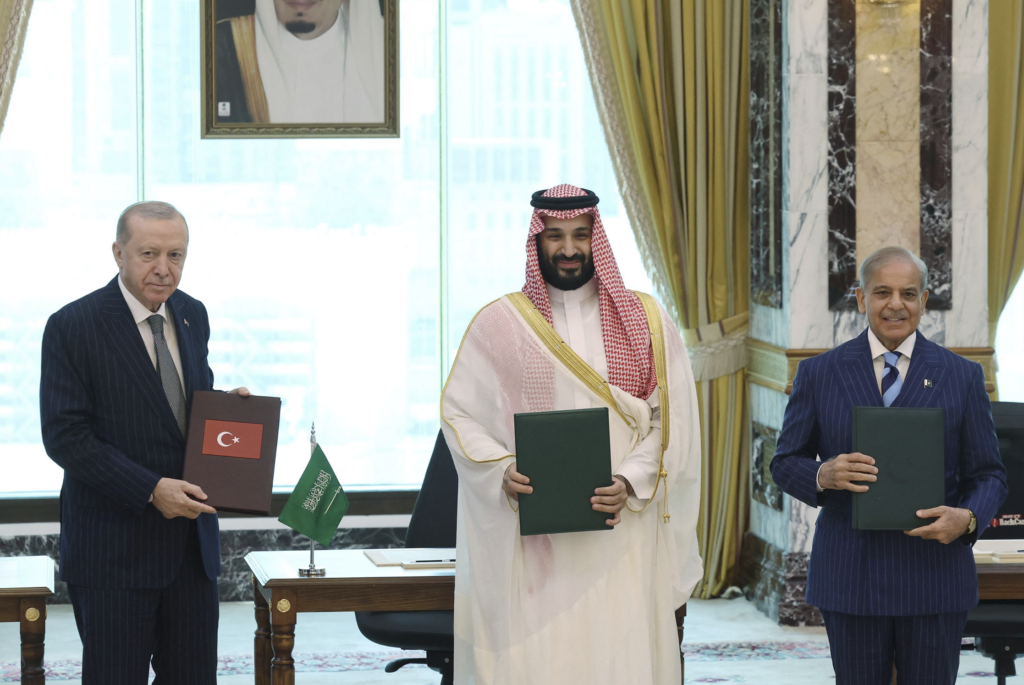
Saudi Arabia is bracing for what a Saudi official described as multiple coordinated attacks by Iraqi militia factions and Iran-backed Houthi rebels, as the broader Middle East conflict continues widening beyond its original US-Israel-Iran front. According to CNN, Saudi Arabia, Turkey, and Pakistan signed a NATO-style mutual defense pact Friday stipulating that an attack against any one of the three nations will be regarded as an attack against them all, a direct response to the escalating regional threat. A senior Iranian official warned the new pact would not guarantee Saudi Arabia’s security, even as Houthi rebels in Yemen struck a Saudi military base and the border region of Najran on Friday.
What Happened
According to CNN’s earlier reporting, a Saudi official told the network the kingdom is specifically preparing for coordinated strikes on its ports and airports from Iraqi militia groups working in tandem with Iran-backed Houthi forces. Separately, Iranian-backed militias in Iraq postponed retaliatory attacks that had been expected in response to deadly US-Saudi strikes carried out inside Iraq, according to CNN’s live coverage of the conflict.
Houthi officials made their intentions explicit in public statements Thursday. According to the Critical Threats Project, Houthi military spokesperson Yahya Sarea and Houthi Supreme Political Council President Mahdi Mashaat both stated the group would continue enforcing its naval blockade on Saudi Arabia and attacking Saudi-affiliated forces until a specific set of demands is met, including lifting what the Houthis call a Saudi blockade on shipping and aid to Houthi-controlled Yemeni territory, paying Houthi civil servant salaries, and allowing Iranian flights to land at Houthi-controlled airports.
According to Wikipedia’s ongoing tracking of the strikes, Saudi Arabia has already intercepted missiles aimed directly at Prince Sultan Air Base and Riyadh’s airport without material losses, though a separate Iranian missile strike on a U.S. base inside Saudi Arabia killed one American soldier who died from his injuries eight days after the attack. Saudi Arabia’s foreign ministry has condemned Iran’s strikes on civilian airports and oil infrastructure as violations of international law, warning that if Iran continues its attacks, it will bear the heaviest diplomatic, economic, and strategic consequences and emerge as the conflict’s biggest loser.
Background
The new defense pact between Saudi Arabia, Turkey, and Pakistan reflects a broader regional effort at coordination against shared threats, according to the Critical Threats Project’s analysis, though it is Pakistan’s involvement specifically that carries added weight given the country’s status as a nuclear-armed state. The arrangement mirrors, at least rhetorically, the mutual-defense language found in NATO’s founding treaty, and its signing this week signals how seriously the three governments are treating the risk of the conflict spreading beyond its original combatants.
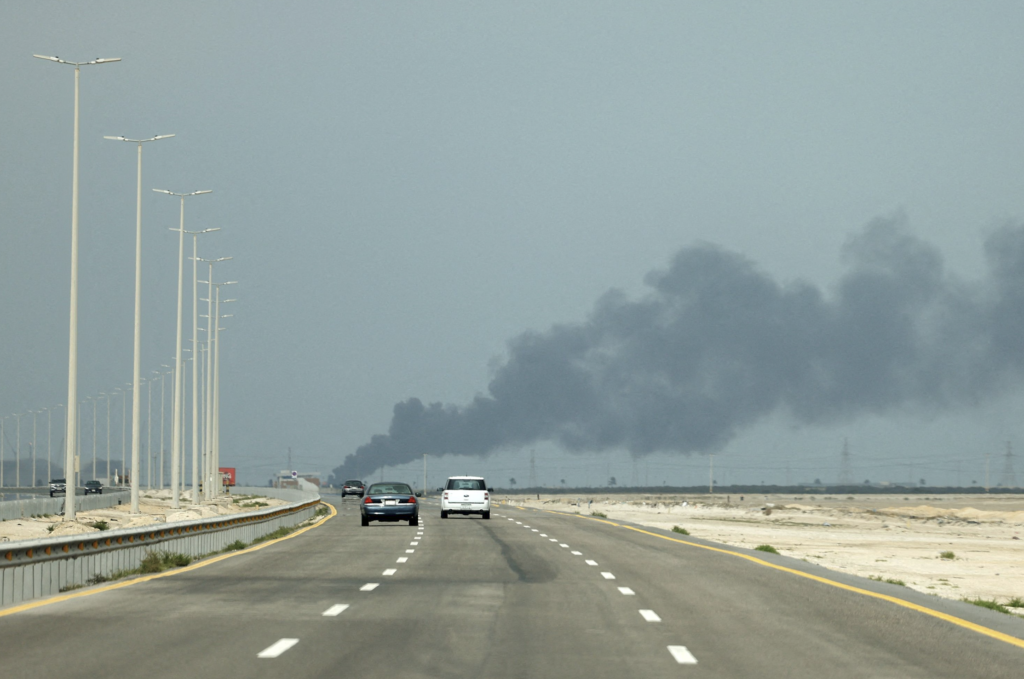
The current wave of Houthi attacks on Saudi Arabia builds on a pattern that dates back to March, when Iranian drones struck Saudi Arabia’s Ras Tanura oil refinery directly, part of a broader retaliatory campaign Iran launched across the region following the initial U.S.-Israel strikes that killed much of Iran’s senior leadership in late February. That March campaign hit multiple countries in rapid succession over several days, with Kuwait also reporting intercepted attacks during the same period.
Why It Matters
The signing of a formal mutual-defense pact between three major regional and NATO-adjacent powers marks a significant structural shift in how Gulf and South Asian states are responding to the conflict’s spread, moving from ad hoc individual defense measures toward a more explicit collective security arrangement. That shift suggests growing anxiety among regional governments that the current pattern, in which proxy forces aligned with Iran strike U.S. allies as part of the broader confrontation, could continue or intensify for the foreseeable future.
At the same time, internal U.S. military leadership appears increasingly wary of further escalation. According to CNN’s sourcing, the Chairman of the Joint Chiefs of Staff, General Dan Caine, has privately made clear that the United States needs to find an off-ramp from the war with Iran, warning that the military options currently on the table for further escalation could backfire. That internal caution, surfacing even as regional allies move to deepen their own military coordination, illustrates a widening gap between allied states’ growing appetite for collective deterrence and apparent U.S. military reluctance to escalate further.
Expert & Official Reaction
Iranian government warning: A senior Iranian official said the new Saudi-Turkey-Pakistan defense pact would not guarantee Saudi Arabia’s security, according to CNN’s live coverage.
Houthi position: Houthi military spokesperson Yahya Sarea and Supreme Political Council President Mahdi Mashaat both said the group would maintain its blockade and continue striking Saudi-affiliated targets until its specific demands are met.
Saudi diplomatic position: Saudi Arabia’s foreign ministry has stated the kingdom will take all necessary measures to defend its security, territory, citizens, and residents, warning Iran it would face the heaviest diplomatic, economic, and strategic consequences if it continues its attacks.
U.S. military caution: According to sources who spoke to CNN, General Dan Caine has privately signaled that the U.S. needs an off-ramp from the broader war with Iran, citing the risk that available escalation options could backfire.
Statistics & Context
- Countries in the new mutual defense pact: 3 (Saudi Arabia, Turkey, Pakistan)
- Saudi military targets struck by Houthi forces on Friday: 1 Saudi base in Yemen, plus the Najran border region
- U.S. soldiers killed in the earlier Iranian missile strike on a Saudi-based U.S. facility: 1, who died 8 days after the attack
- Days since that soldier’s death followed the initial strike: 8
- Timeframe of Iran’s broader retaliatory strike campaign across the Gulf, first launched: March 2026
What’s Next
Houthi officials have made clear they intend to continue their blockade and attacks on Saudi-affiliated targets indefinitely until their demands are met, suggesting further strikes are likely in the near term. Whether Iraqi militia factions follow through on the coordinated attacks Saudi officials say they are bracing for, after postponing earlier planned retaliatory strikes, remains an open and closely watched question. Internally, the reported private concerns from the U.S. Joint Chiefs chairman about finding an off-ramp from the broader conflict suggest the Trump administration may face growing pressure to pursue de-escalation options even as regional allies move toward deeper collective defense commitments.
FAQ
What is the new Saudi-Turkey-Pakistan defense pact?
A mutual defense agreement stating that an attack on any one of the three nations will be regarded as an attack against all three, signed in response to the widening regional conflict.
Who is attacking Saudi Arabia?
Iran-backed Houthi rebels in Yemen and Iraqi militia factions aligned with Iran, according to Saudi officials bracing for coordinated strikes on the kingdom’s ports and airports.
What do the Houthis want?
They have stated they will continue their blockade and attacks until Saudi Arabia lifts restrictions on shipping and aid to Houthi-controlled Yemen, pays Houthi civil servant salaries, and allows Iranian flights to land at Houthi airports.
Is the US considering further military escalation?
Reporting suggests the opposite: the Chairman of the Joint Chiefs of Staff has privately indicated the U.S. needs to find a way to de-escalate the conflict with Iran, citing risks that further escalation could backfire.
How does this connect to the broader US-Israel-Iran conflict?
This is part of the wider war that began in late February 2026, with Iran using allied proxy forces across the region, including in Yemen and Iraq, to strike U.S. allies like Saudi Arabia as the conflict continues to spread.
Editorial Note: This article was prepared using publicly available information from international news organizations and defense-monitoring sources available at the time of publication. Facts may be updated rapidly given the active and evolving nature of this conflict.
Sources:
CNN: August 7, 2026 — Iranian-backed proxies targeted Saudi Arabia, widening conflict in Middle East